
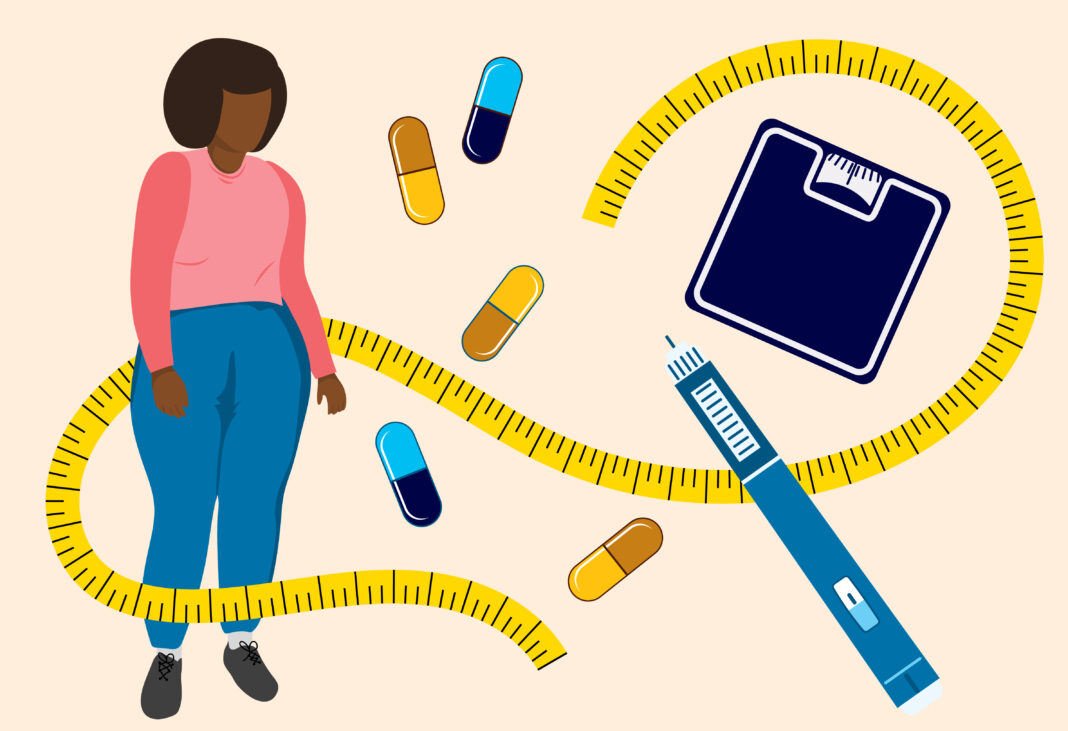


For millions of Americans living with Type 2 diabetes, the newest drugs to help lower blood sugar (glucose) are GLP-1 receptor agonists. GLP stands for glucagon-like peptide.
The drugs include injectable brands like Mounjaro, Ozempic, and Wegovy. A new brand, Rybelsus, comes in pill form. The drugs are expensive and are often covered by private insurance only when other older blood sugar-lowering drugs like Metformin and Glucotrol don’t work.
Regulating blood sugar is important to a diabetic’s health and quality of life. Ideally, the regulation happens through a combination of diet, exercise, and medicine. When it doesn’t, uncontrolled high blood sugar can lead to blindness, heart attacks, kidney failure, neuropathy, and strokes.
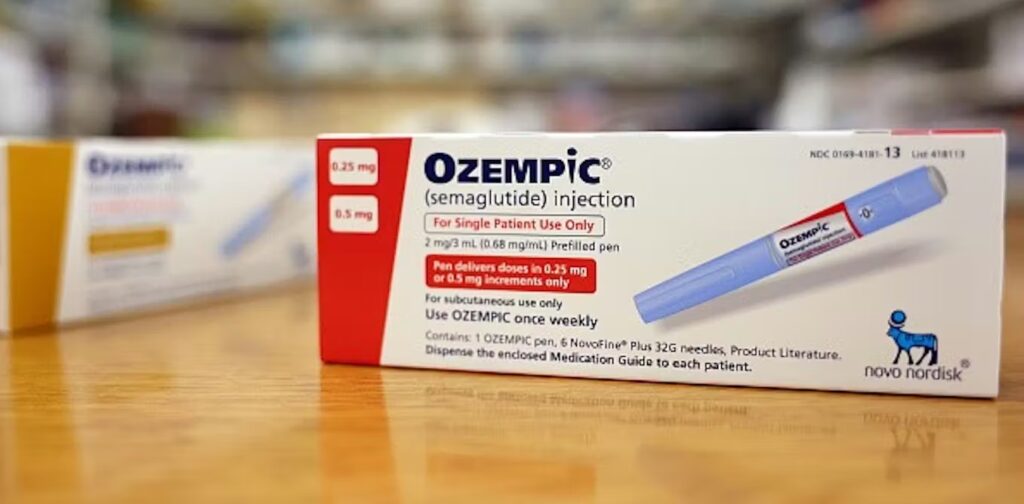
Many people are familiar with GLP-1 drugs for weight loss thanks to television and social media. Celebrities like Oprah, Serena Williams, and Whoopie Goldberg, have been candid about losing significant amounts of weight using the drugs, something they weren’t able to do with lifestyle changes alone.
Using GLP-1s for weight loss came about because of the drug’s clinical trials for diabetes. During that process, researchers discovered a common side effect of GLP-1s was reduced appetite and a feeling of being full longer. Eventually, this led to FDA approval for using the drugs at a higher dose for general weight loss.
Most private insurance companies and state-run Medicaid programs do not cover this use, so people must pay out-of-pocket costs that can be more than a $1,000 per month. (Pennsylvania is one of 16 states with a Medicaid program that currently covers GLP-1 drugs for weight loss if patients meet certain requirements.)

University of Pittsburgh’s Dr. Jing Luo, Associate Professor of Medicine and board-certified general internist, studies prescription drug use, pricing, and policy, especially for medicines that treat chronic diseases like diabetes.
Dr. Luo cautions that for diabetic patients, using GLP-1 drugs can be effective for lowering blood sugar, but weight loss may not be as dramatic as what has been reported by some media outlets.
In one real-world study that lasted about 16 months, Dr. Luo and other Pitt researchers followed data for about 2,400 overweight or obese Type 2 diabetes patients who were using GLP-1 drugs to lower blood sugar. The individuals did not receive any outside support on making healthy lifestyle changes to their diet, exercise routine, or sleep habits. “What we found is that weight loss for this group was modest at best,” says Dr. Luo. “Over 72 weeks, they lost about 2% of their body weight on average, which was less than 6 pounds.”
About a 1/3 of the patients in the group lost more than 5% of their baseline body weight, some didn’t lose any weight, and some gained weight.
“For patients with diabetes who take GLP-1s, it’s important to manage weight-loss expectations and shift their focus away from a number on a scale,” says Dr. Luo. “Instead, they should work with their healthcare provider to monitor how well they’re tolerating the GLP-1 drug and how it’s helping them meet their desired clinical outcomes.”
While many people tolerate the drugs well, some do not. Common side effects include GI issues like feeling sick, vomiting, and diarrhea. For some, the side effects are so uncomfortable, they may decide to stop taking the drugs.
Because GLP-1s are new, researchers are still learning about long-term side effects. “That’s why it’s important to check in regularly with your healthcare provider whether you’re taking the drug for diabetes or obesity,” says Dr. Luo.
If you stop taking the drug because of side effects, or if your insurance changes and you can’t afford the cost, studies show that within a year, you’re likely to gain back a lot of the weight you lost. “This shows us how GLP-1 is really one element of a bigger health plan that should also include a healthy diet, regular exercise, and adequate sleep,” Dr. Luo explains.
With that in mind, Dr. Luo recommends that Type 2 diabetes patients consider GLP-1 drugs differently than what’s presented in the media, including:
Remembering the medicine’s purpose: The medicine’s goal is to help people living with diabetes maintain safer blood sugar levels for better long-term health. While many patients may experience a substantial amount of weight loss if they’re overweight or obese, actual results may be significantly less than the hype surrounding the drug’s use for weight loss.
Make a health plan you can follow over time: If you must stop using a GLP-1 drug and you’re maintaining a healthy lifestyle, you may not gain back as much weight as you lost.
Speak up: Ask your healthcare provider about GLP-1 side effects, including what researchers already know and what they continue to learn over time. Pay special attention to and report any health changes that happen once you begin taking the drug — even if you don’t think the change is related. You may also consider participating in GLP-1 research to advance the knowledge.
“A good care plan for managing any chronic disease, including diabetes, includes different elements, like medicine, lifestyle changes, and support from healthcare providers,” says Dr. Luo “The combination is greater than the sum of its parts and ultimately helps people have healthier outcomes as they age.”

