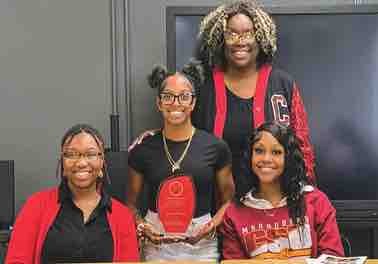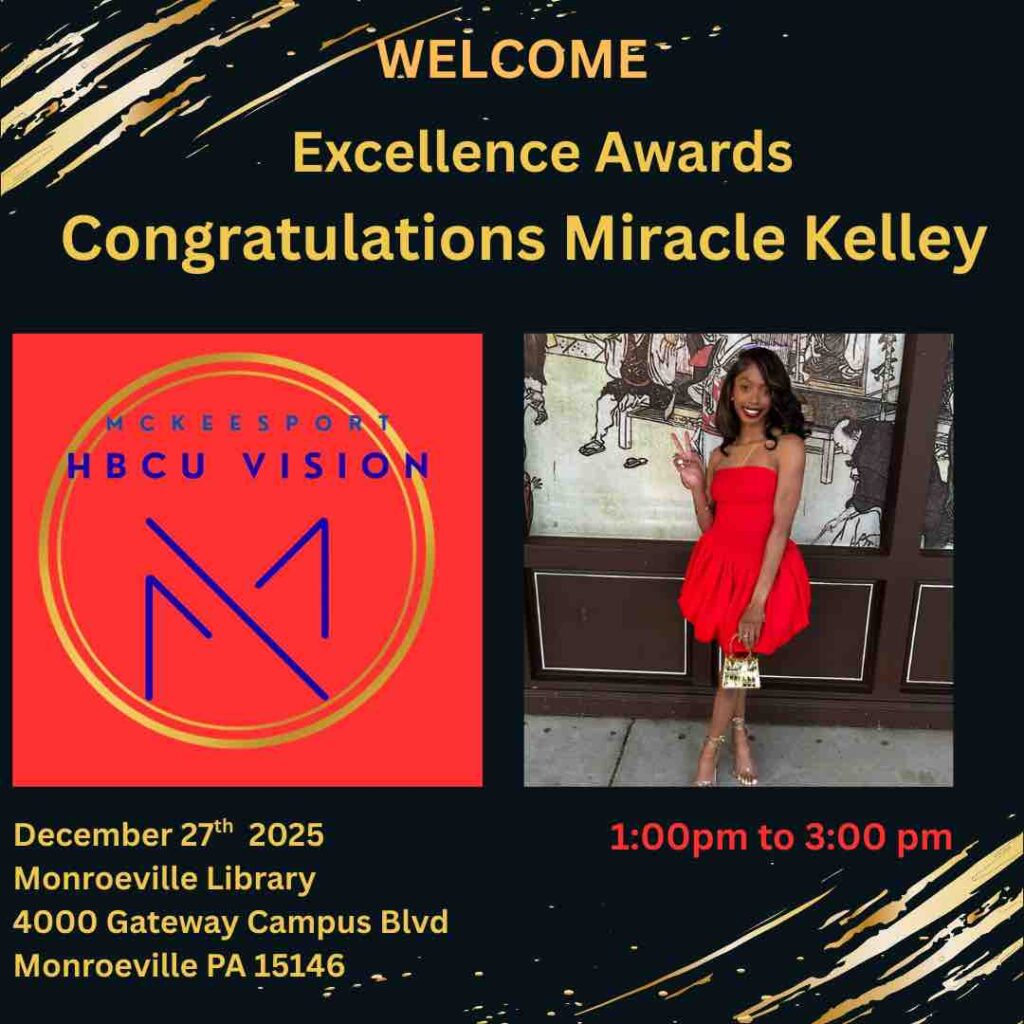
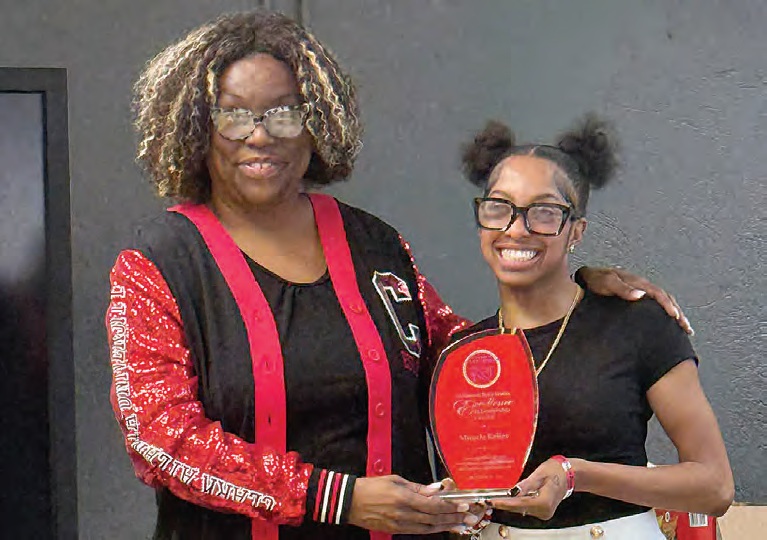


Miracle Kelley, a senior at Coppin State University in Baltimore, Md., received the McKeesport HBCU VISION “Excellence in Leadership” award. Pictured at left is McKeesport HBCU VISION founder Denise Sinkler.
Right around now and over the next 10 to 12 weeks, high school seniors all across the country are going to be finding out what colleges and universities to which they’ve been accepted.
For African American high school seniors, no matter where they live —from the urban centers of Washington, D.C., and Atlanta, Ga., to the rural plains of Oklahoma and Nebraska, the data says that one out of every 10 Black students will attain their undergraduate degree from a Historically Black College or University (HBCU). Overall, nearly 300,000 people attend HBCUs, with obviously the vast majority of the students being Black.
In the Pittsburgh area, you can’t find a HBCU. But that hasn’t stopped HBCU grads like Denise Sinkler from advocating for HBCUs in this region.
On Dec. 27, 2025, her organization, McKeesport HBCU VISION, held its second McKeesport HBCU VISION Awards, where a current HBCU student receives the “Excellence in Leadership” award. The organization also hands out partial financial scholarships to Black students who want to attend HBCUs.
Miracle Kelley, a senior at Coppin State University in Baltimore, was the recipient of the award for 2025. She’s on the Dean’s list at Coppin State and achieved a 4.0 GPA. Sinkler told the New Pittsburgh Courier that Kelley is part of the Fannie Jackson Coppin Scholars, “showcasing her dedication to scholarship and campus involvement,” Sinkler said, Jan. 2, 2026.
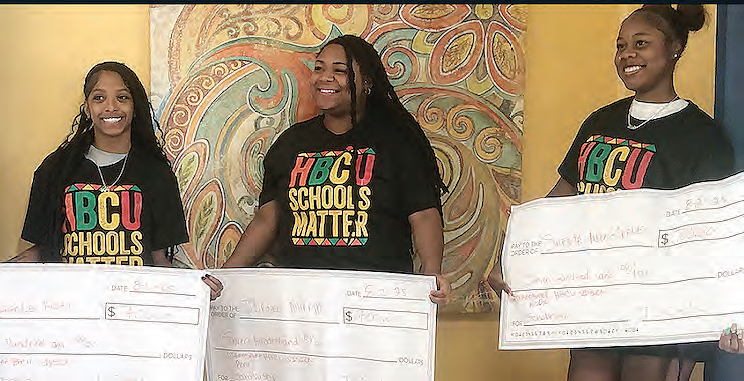
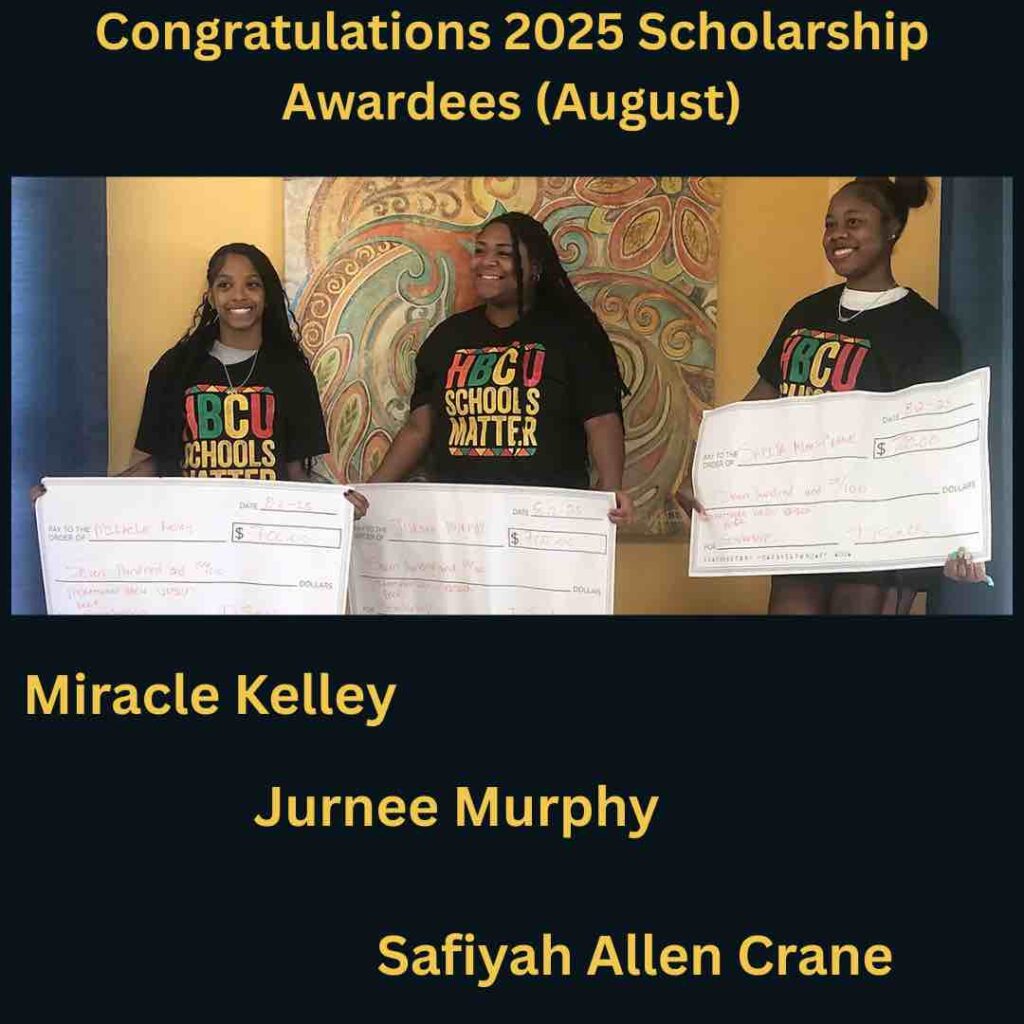
RECENT MCKEESPORT HBCU VISION SCHOLARSHIP RECIPIENTS INCLUDE MIRACLE KELLEY, JURNEE MURPHY AND SAFIYAH ALLEN-CRANE.
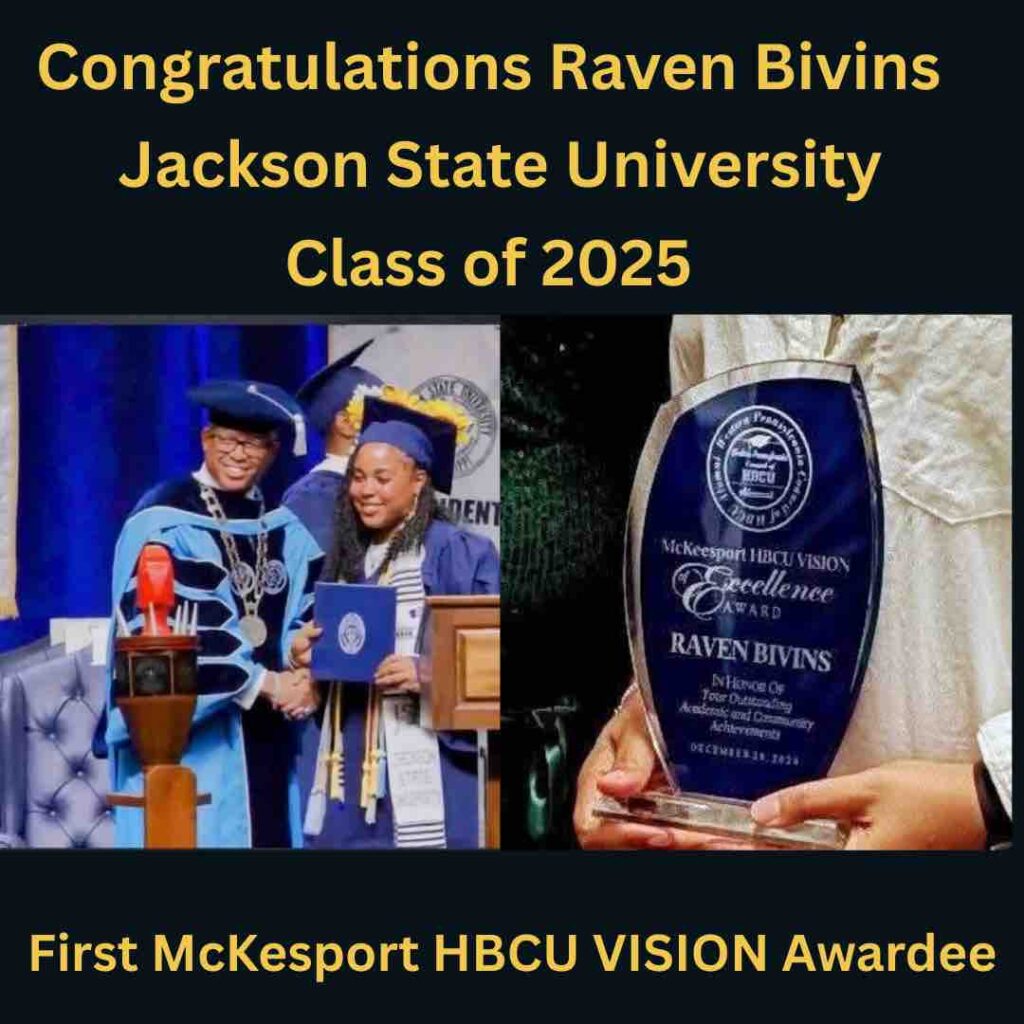
The first winner of the McKeesport HBCU VISION award was Raven Bivins, who graduated in 2025 from Jackson State University (Mississippi).
“Miracle actively participates at her HBCU in the Honors Program, Student Council and served as a Strada Scholar,” Sinkler said. “Her leadership experience also includes her role as a Freshman Reporter and Class Representative with the Honors Program. She is also active with the Student Council, advocates for student needs and campus initiatives. Miracle is also a proud member with Delta Sigma Theta Sorority and dedicated to upliftment.”
The event was held at the Monroeville Public Library.
Coppin State University has been around so long, it’s 10 years older than the Courier. Coppin State was formed in 1900 originally founded for teacher education. The school was named after the fierce fighter Fanny Jackson Coppin. She loved education, serving as principal of the Institute for Colored Youth in Philadelphia and later heading to Africa to do missionary work.
Born a slave, Coppin got her last name from her husband, the late Rev. Levi J. Coppin, who was a prominent AME Church minister.
In the Fall 2024, Coppin State University had an enrollment of 2,210, with 86 percent being undergrads. Female students, according to the Fall 2024 data, greatly outnumbered male students, 74 percent to 26 percent. The student body in the Fall 2024 was 83 percent Black, four percent Hispanic, two percent White, and the others being classified as foreign students or other. Coppin State’s athletics teams are nicknamed the Eagles, and participate in the MEAC (Mid-Eastern Athletic Conference).
HBCUs were the only way for Blacks to get a college education in the South, before traditionally-White institutions started allowing Black students to be enrolled. Thus, most of the HBCUs are in the South. The HBCUs closest to Pittsburgh are West Virginia State University (just outside Charleston), Central State University (just outside Dayton, Ohio), Wilberforce University (just outside Dayton, Ohio), Lincoln University (near Philadelphia), and Cheyney University (near Philadelphia). Even though 90 percent of Black students in the U.S. attend traditionally-White colleges, many Black students, such as former U.S. Vice President Kamala Harris, cite the “Black college experience” of an HBCU as unmatched. Everything from majority-Black professors, to the elaborate, stylish bands, to the bonds one creates with fellow Black students, to the feeling that a Black person can achieve anything they desire in the world.
“I know they are centers of academic excellence,” Harris said in an interview when she was vice president, as she always pushed for more funding for HBCUs.
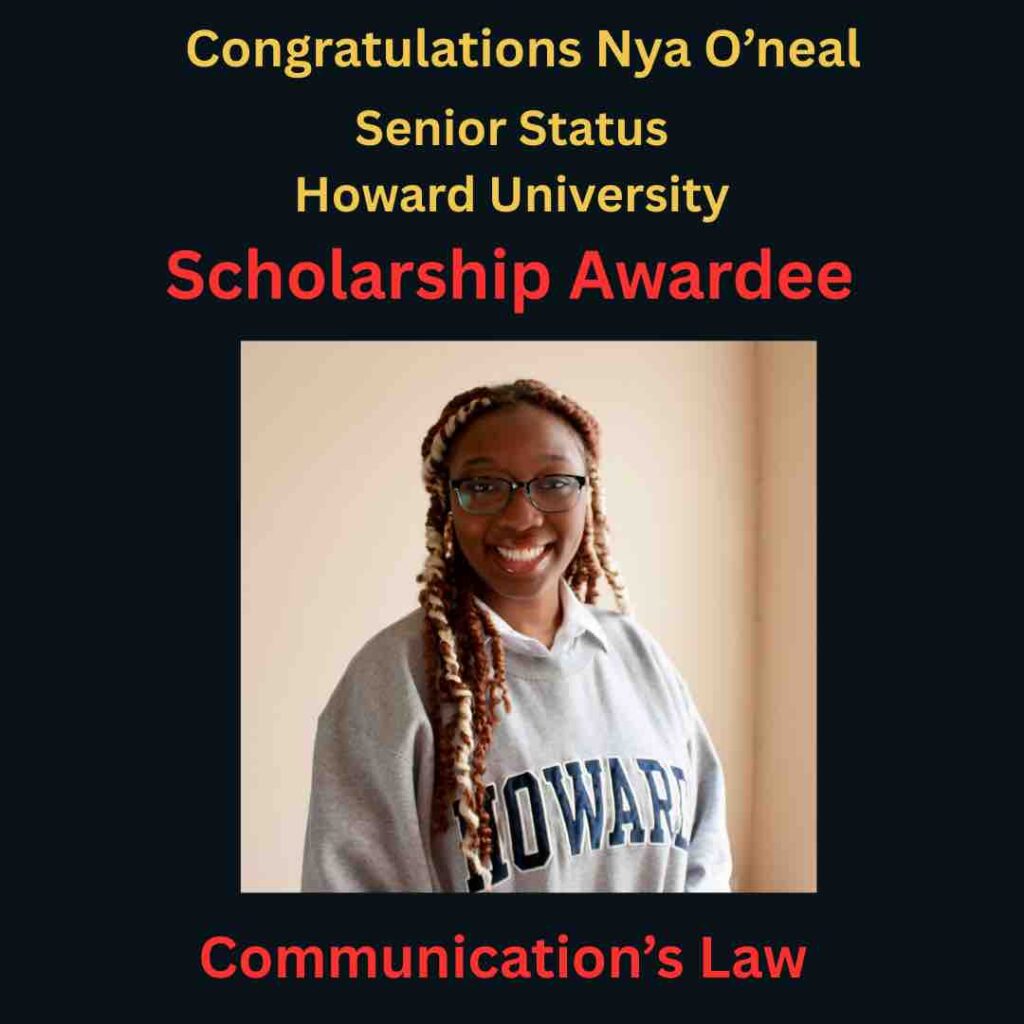
Sinkler told the Courier that since McKeesport HBCU VISION began in 2023, eight students have received partial financial scholarships to the HBCU of their choice. They are: Nya O’Neal (Howard University), Kalea Armstrong (Morgan State), Grace Walker (North Carolina A&T), Safiyah Allen-Crane (Clark Atlanta), Amyca Wilson (Central State), Jurnee Murphy (Xavier University, Louisiana), Bivins (Jackson State) and Kelley (Coppin State).
“HBCUs have always produced the best and majority of our Black professionals such as doctors and lawyers,” Sinkler told the Courier in a previous interview from September 2024. “HBCUs have also led the way during the most crucial times in our history and continue to do so. They are always on the forefront for social justice. Being an HBCU alumni (Clark Atlanta University) myself, I feel obligated to help HBCU youth in areas that I can.”