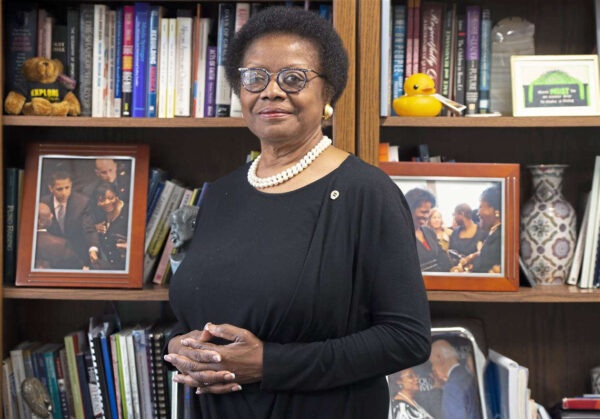


ESTHER L. BUSH
As we head into Christmas and Kwanzaa, Take Charge of Your Health Today is focusing on Pitt research led by Dr. Jing Luo. Dr. Luo studies GLP-1 drugs and how they’re improving health outcomes for people with diabetes. According to Esther, M. Bush, Interim President and CEO of the Urban League of Greater Pittsburgh, helping people live healthier lives has always been one of the organization’s top priorities.
Q: Esther, Dr. Luo highlights how GLP-1 drugs don’t always have a significant impact on weight for people with diabetes. Instead, changing other things like diet may be more effective. But for many people, healthy food doesn’t fit into their budget. How does the Urban League help to ease their financial burdens, so they can afford more nutritious food?
Esther: We know that long-term health and weight management depend on access to nutritious, affordable food. For many families, financial strain — not lack of knowledge — creates barriers to maintaining healthier eating habits. To ease that burden, our Family Support Centers and Housing Stabilization programs help families cover essential expenses during moments of crisis. By reducing financial stress in areas like rent, utilities, and transportation, families can redirect more of their budget toward food and health needs.
We also collaborate with community organizations, food banks, and local distribution sites to connect families with free or low-cost fresh foods. Through referrals and community outreach, we help ensure residents, particularly those in food deserts, have reliable access to groceries that support healthier diets.
Q: Excellent! When people are trying to break old habits and create new ones to improve their health, a support network can help them stick to their goals. How does the Urban League assist with that?
Esther: Healthy lifestyle changes are more successful when people feel supported, not isolated. We create those networks through programs designed to strengthen community ties, build confidence, and promote long-term well-being. Our Family Support Centers offer group workshops, peer circles, parenting groups, and community events that help residents form strong, ongoing relationships with others who share similar goals. The collaborative environment fosters accountability, encouragement, and mutual learning.
Participants in our employment, training, and youth programs often form lasting support networks. The peer-to-peer model helps individuals stay motivated, exchange strategies, and celebrate progress together.
Through civic engagement, community organizing, and leadership develop, the Urban League creates spaces for residents to connect, strengthen their sense of belonging, and meet their personal goals, including health-related ones.

