

Last month, demonstrators stormed inside Cities Church in St. Paul, Minnesota, disrupting the regular Sunday service. The disruption was part of Operation Pull-Up, which involves local activists gathering at a certain area to “surprise people, catch them off guard, and hold them accountable.” They targeted Cities Church because one of its pastors serves as the acting director of US Immigration and Customs Enforcement’s St. Paul Field Office.
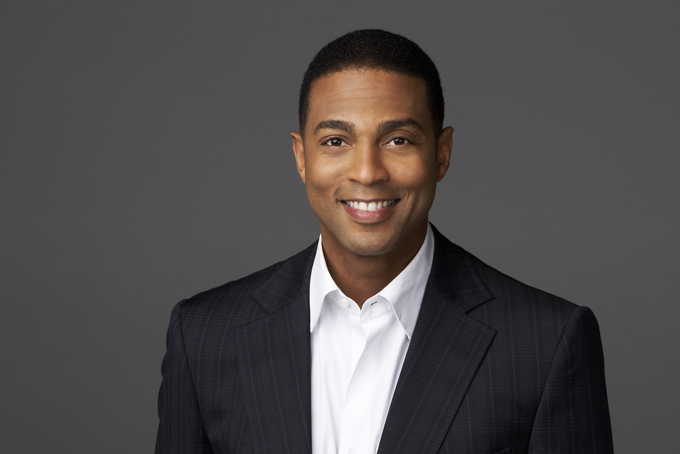
The organizers aimed to highlight the “unacceptable overlap” between religious leadership and immigration enforcement. Don Lemon, an independent journalist, accompanied the demonstrators and reported on the operation. Lemon said that the organizers explained that their operation was similar to the Civil Rights Movement, when individuals disrupted the peace by sitting at White-only lunch counters.
There are two problems here. Operation Pull-Up targeted the wrong location, and the comparison to the civil rights movement is inaccurate.
By alleging there is an unacceptable overlap between religious leadership and immigration enforcement, the activists are accusing Cities Church of violating the doctrine that separates church and state and are suggesting that the pastor who simultaneously works for ICE should not be a church leader. The separation of church and state forbade Congress from establishing a national religion, but it did not prevent government officials from also serving as church leaders.
If the activists believed the pastor at the church was performing an inadequate job as acting director of the St. Paul’s ICE, they should have staged a peaceful protest at the field office to demand the director’s resignation.
Instead, the activists invaded the church to protest the local ICE director’s role as pastor, which is illogical because removing him from church leadership while he remains the acting director of St. Paul’s ICE would not assist the people the activists aim to protect from ICE agents, rendering the entire operation pointless.
Operation Pull-Up’s comparison to civil rights activists who sat at White-only lunch tables was also misguided because the church disruption lacked a moral imperative.
A moral imperative is an ethical obligation to take specific actions that are deemed right or necessary. Civil rights activists contended that racial segregation was immoral and that the government had no right to compel citizens to follow immoral laws. The 1954 Supreme Court decision declaring “separate but equal” unconstitutional gave the civil rights activists additional moral authority. Those activists who sat at the White-only lunch counters claimed it was their moral responsibility to break immoral segregation laws in every state that violated the federal verdict against “separate but equal.”
Civil rights activists were trained in nonviolence, demonstrated peacefully, and were willing to go to jail for breaking immoral laws. This is known as civil disobedience. Operation Pull-up’s actions at Cities Church were not civil disobedience, nor were they “disrupting the peace,” as they characterized to Don Lemon. What Operation Pull-up truly did at Cities Church was disorderly conduct.
Don Lemon followed the disrupters inside the church. As the protesters screamed and yelled, Lemon approached the pastor, pushed a microphone to his face, and asked what he thought of Operation Pull-up. The pastor remarked that interrupting a public Christian worship service was shameful. Lemon responded, “There’s a Constitution, a First Amendment that grants the freedom of speech—the freedom to assemble and protest.”
Don Lemon is confused.
The First Amendment preserves the right to “peacefully protest,” but it also protects the free practice of religion.
Furthermore, in 1994, Congress passed the FACE Act to ensure that demonstrators did not disrupt religious services, which prohibits people from intimidating or interfering with anyone exercising or attempting to exercise their First Amendment right to religious freedom at a place of worship.
Several people involved in Operation Pull-up have been arrested.
Operation Pull-up may believe that their church disruption was similar to the Civil Rights movement after a few of their activists were arrested, but if so, they are more confused than Don Lemon, because being arrested for disorderly conduct is not the same as being arrested for civil disobedience.