
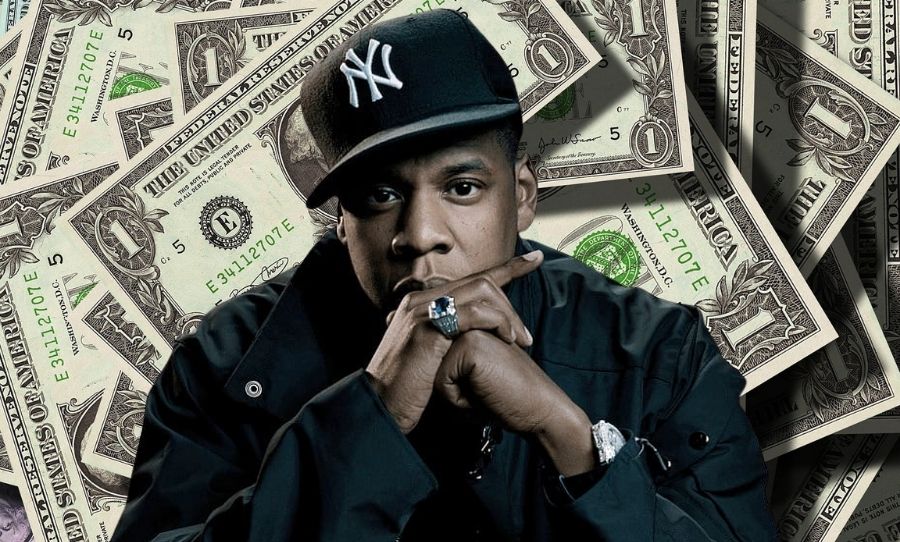


Let me say something that might shake your whole understanding of wealth.
Jay-Z—Shawn Corey Carter—is worth an estimated $2.8 billion as of 2026. That makes him the wealthiest musical artist in recorded music history. Not just Hip-Hop. Not just Black artists. All music. Every genre. Every era.
And here’s the part that should stop you cold:
Less than 4 percent of that fortune came from rapping.
The man who gave us Reasonable Doubt. The man who dropped The Blueprint and redrew the map of Hip-Hop. The man who told us, “I’m not a businessman—I’m a business, man,” built most of his wealth outside the recording studio.
That’s the part everyday people need to study.
Not the champagne. Not the yacht shots. Not the celebrity flex.
Study the ownership.
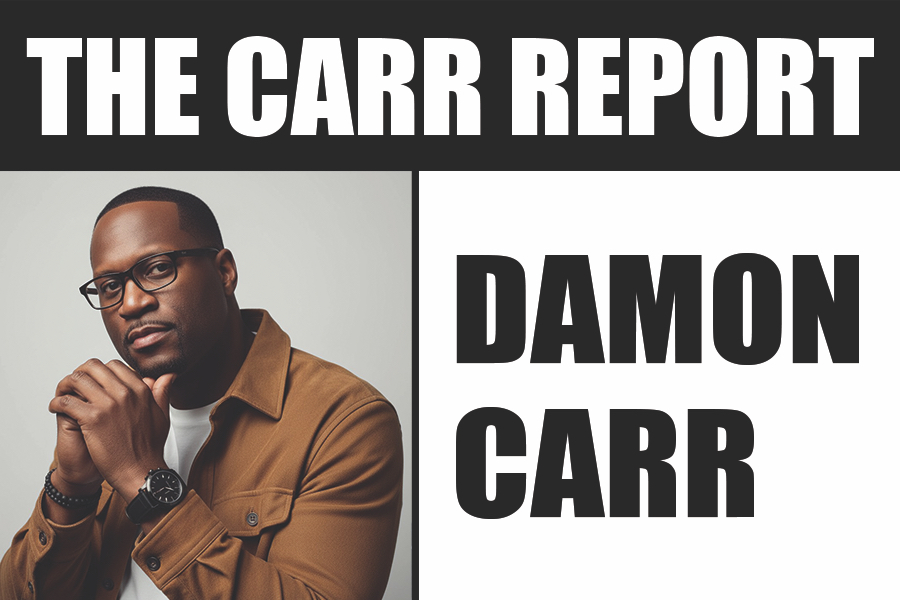
Jay-Z didn’t get to $2.8 billion because he’s nice with a 16. He got there because he treats himself not as a rapper, but as a businessman who owns things that make money while he sleeps. That’s wealth.
From the Marcy Projects to multiple billions, Jay-Z’s journey is not just a Hip-Hop story. It’s a financial literacy lesson with a beat behind it.
When record labels wouldn’t sign him, he didn’t sit around begging for permission. He co-founded Roc-A-Fella Records. That move was bigger than music. That was ownership. That was control. That was the first chapter of his real blueprint.
Most people want somebody to pick them. Jay-Z picked himself. That’s a lesson right there.
In “U Don’t Know,” he said, “I sell ice in the winter, I sell fire in hell.” That’s not just a hot bar. That’s business strategy. It means he understood markets, demand, positioning, and timing. He knew how to move in any environment.
But the real résumé didn’t stop with music.
Here’s the business timeline that built a billionaire:
2007: Jay-Z sold Rocawear, the clothing brand he helped build, for $204 million.
2008: He founded Roc Nation, an entertainment company that now manages 200+ artists and athletes and reportedly generates hundreds of millions in annual revenue.
2012: He partnered with Bacardi to launch D’Ussé Cognac—not as a celebrity endorser, but as an equity partner. He later sold his stake to Bacardi in 2023 for approximately $750 million.
2014: He acquired Armand de Brignac champagne—Ace of Spades—outright. In 2021, he sold 50 percent of the brand to LVMH at a reported valuation of $640 million, while keeping half the brand.
2019: He became Hip-Hop’s first billionaire.
2026: He’s worth an estimated $2.8 billion and still compounding.
Now catch this:
Not one of those wealth events involved a record sale, a streaming check, or a concert ticket. Not one.
That’s the lesson.
Jay-Z used music as the door. But ownership built the mansion.
Too many people want plaques, titles, applause, and validation. Jay wanted paperwork. Contracts. Equity. Ownership stakes. Things that pay long after the lights go off.
That’s why I say all the time: Income is what you earn. Wealth is what you own.
Jay-Z made millions from music. But he made billions from ownership.
There’s a difference.
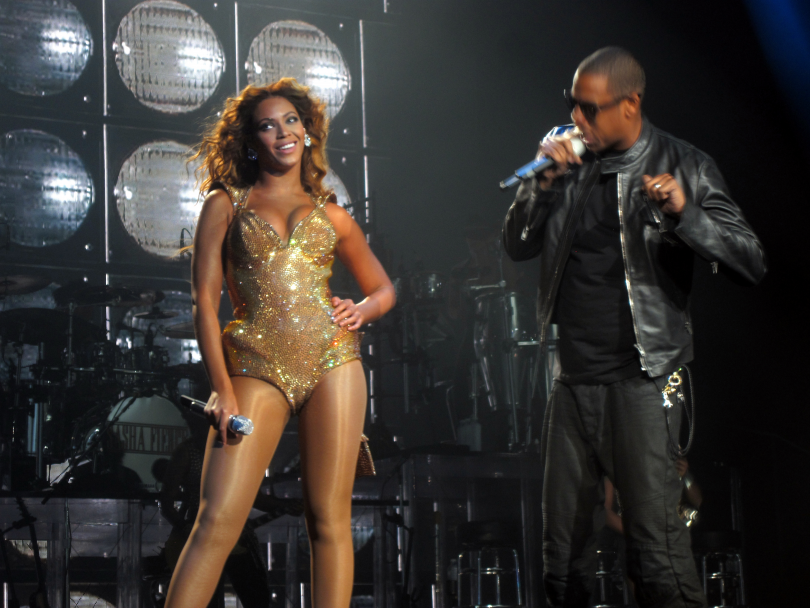
On “The Story of O.J.,” Jay tried to warn people about this. He talked about the foolishness of blowing money trying to look rich instead of investing money to become wealthy.
That song is a financial literacy class disguised as a record.
He basically told us: stop spending every dollar trying to impress people. Stop financing a lifestyle that’s killing your future. Stop confusing consumption with success.
Because many folks are living The Story of O.J. every day.
Big car note. Credit card debt. Designer clothes. No emergency fund. No investments. No ownership.
That’s not wealth. That’s financial quicksand with a nice outfit on.
Jay-Z learned to turn income into assets. That’s the move. Your paycheck should not just pay bills. It should help buy freedom.
A raise should not automatically become a lifestyle upgrade. A bonus should not disappear at the mall. A tax refund should not be treated like free money. Every dollar needs an assignment.
Jay-Z’s money had assignments.
Some went into brands.
Some went into companies.
Some went into real estate.
Some went into art.
Some went into ownership.
That’s how money compounds. That’s how wealth stacks.
That’s how a man goes from Reasonable Doubt to unreasonable net worth.
And let’s be clear—Jay-Z didn’t abandon music. He used music as a launchpad. That’s the part people miss. Your job, your skill, your talent, your hustle —that’s not always the destination. Sometimes it’s the vehicle.
Use your job to fund your investments.
Use your talent to build a business.
Use your knowledge to create income.
Use your story to create opportunity.
Don’t get stuck where you start. Jay-Z didn’t. He evolved from rapper to record executive to brand owner to investor to billionaire. That’s the blueprint.
Now, here’s what everyday people can learn from Jay-Z and actually apply:
1. Own something.
Don’t just work for money. Use money to buy assets. Stocks, retirement accounts, real estate, a small business, intellectual property—start somewhere.
2. Stop chasing attention. Chase equity.
Likes don’t pay bills. Titles don’t build wealth. Ownership does.
3. Turn your income into assets.
Every raise, bonus, refund, or side hustle dollar should move you closer to freedom—not just more spending.
4. Build multiple streams.
One paycheck is risky. Jay-Z didn’t rely on one lane. Neither should you.
5. Learn the business side of your life.
Understand taxes, credit, investing, debt, insurance, and contracts. If you don’t understand money, somebody else will profit from your ignorance.
6. Think long-term.
Jay-Z made moves that paid off years later. Wealth takes patience. Broke decisions usually want instant gratification.
7. Protect your future self from your present self.
Budget. Save. Invest. Kill high-interest debt. Automate good decisions before emotions start spending your money.
Final word? Jay-Z gave us more than music. He gave us The Blueprint. Not just for hip-hop. For wealth building.
Stop chasing plaques.
Stop chasing flexes.
Stop chasing looking rich.
Start chasing ownership. Because plaques collect dust. Ownership builds legacy.
(Damon Carr, Money Coach & Tax Pro can be reached at 412-216-1013 or visit his website at www.damonmoneycoach.com)
Helping you flip your finances from stressed to blessed—one smart decision at a time.