
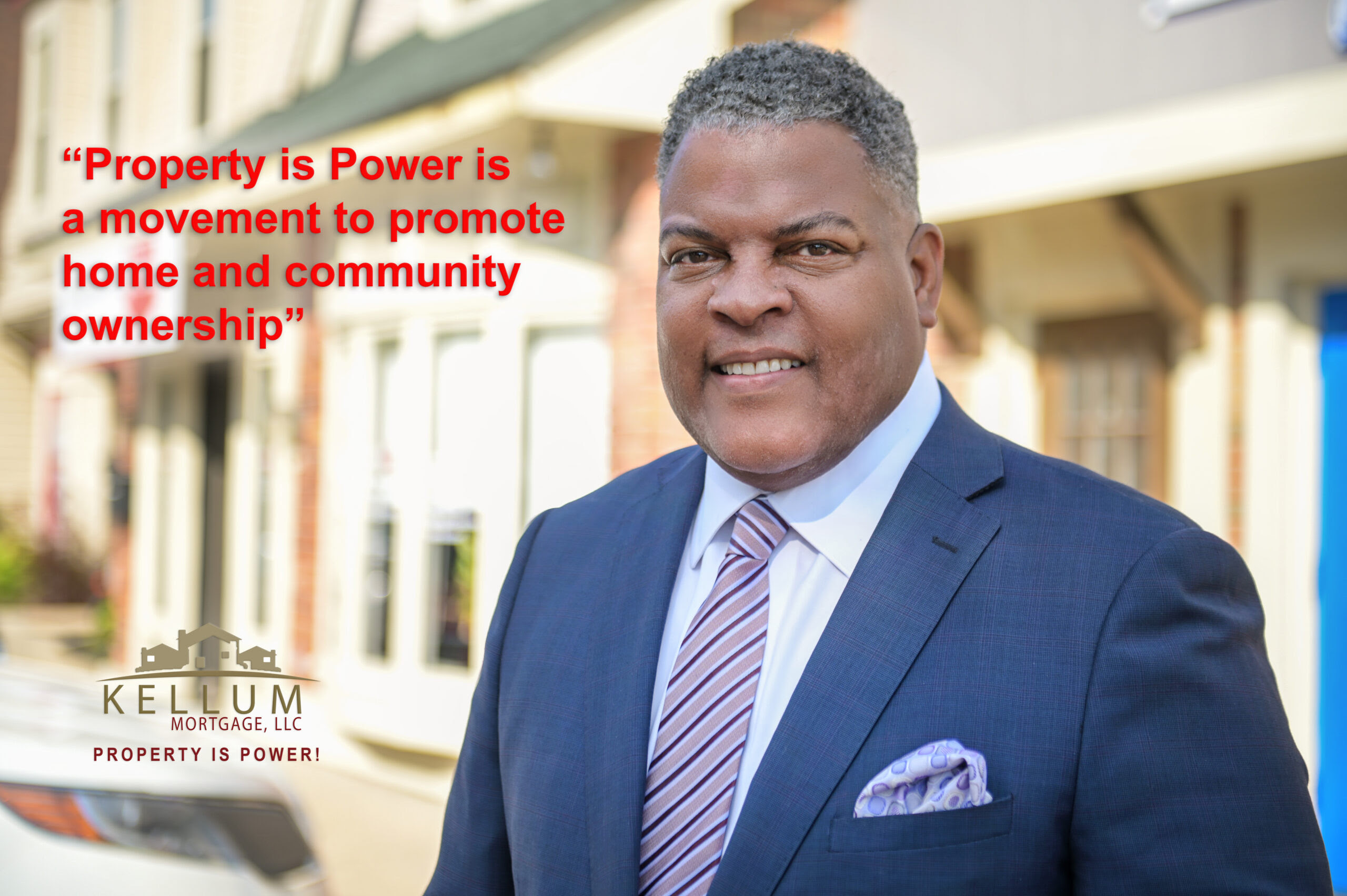


by Dr. Anthony O. Kellum
There was a time when children learned the meaning of ownership long before they became adults. They learned it while cutting grass on a Saturday morning. They learned it while helping their parents paint a fence, rake leaves, repair a porch, or carry garbage cans back from the curb. These seemingly ordinary tasks were never really about yard work. They were lessons in stewardship, responsibility, and community.
Today, many of those lessons have disappeared.
As a result, we are witnessing a growing disconnect between younger generations and the concept of homeownership. In many communities, particularly within Black America, children are reaching adulthood without understanding one of the most important wealth-building tools available to them; owning and maintaining property. This is not merely a housing issue; it is a cultural issue, an educational issue and a generational issue.
Most Americans understand that a home provides shelter. What is less understood is that a home can also provide stability, dignity, security, leverage, and wealth. A home is often the largest financial asset a family will ever own. When maintained properly, it appreciates in value. When neglected, it can become a liability, not only to the owner, but to the entire neighborhood.
Property ownership teaches a fundamental truth; our actions affect others.
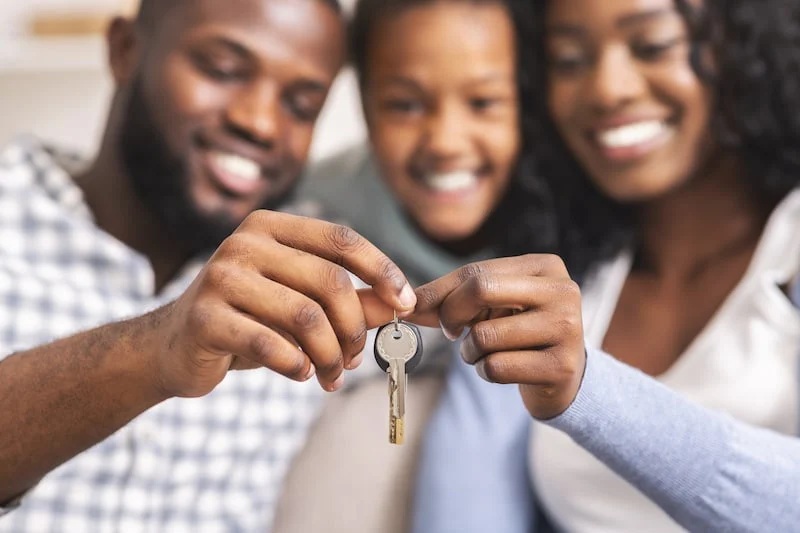
When one homeowner maintains their property, the entire block benefits. When a family repairs its roof, trims its landscaping, paints its exterior, and protects its investment, neighboring property values are strengthened. Conversely, when a property is neglected, everyone pays a price. The deterioration of one home can contribute to the decline of an entire block. This is why neighborhoods are called neighborhoods, the word itself implies interconnectedness. Every property is connected to another. Every homeowner shares a stake in the collective well-being of the community. The health of one property contributes to the health of all properties.
Yet these lessons are rarely discussed in our schools. We teach children mathematics, science, literature, and history, but we often fail to teach them how wealth is actually created and preserved. We rarely explain why property taxes matter, why maintenance matters, why saving for repairs matters, or why equity matters.
We teach them how to earn money.
We do not always teach them how to keep it.
Nor do we teach them how to make money work on their behalf.
The reality is that wealth accumulation often begins with simple habits. A family that consistently maintains its home protects its value. A homeowner who budgets for repairs prevents larger expenses later. A neighborhood that takes pride in its appearance attracts investment rather than disinvestment.
These actions may seem small in isolation, but over decades they become transformative.
A repaired roof today protects future equity.
A maintained lawn today supports future appreciation.
A renovated kitchen today may contribute to greater financial flexibility tomorrow.
Over time, these decisions compound.
The result is not merely a better-looking house. The result is increased wealth.
For much of our nation’s history, African Americans were systematically denied access to property ownership through slavery, racial covenants, discriminatory lending practices, redlining, and unequal access to credit. Homeownership was not simply discouraged; in many cases, it was intentionally obstructed.
Despite these barriers, generations fought relentlessly for the right to own property because they understood something profound… “ownership creates freedom.” Ownership provides control over one’s environment. Ownership creates stability for children. Ownership establishes roots within a community. Ownership creates assets that can be transferred to future generations. Ownership transforms consumers into stakeholders.
This is why teaching children about homeownership should begin long before they are ready to purchase a home.
Children should understand why the grass is cut.
They should understand why repairs are made.
They should understand why bills are paid on time.
They should understand why savings accounts exist.
They should understand why their parents make sacrifices to protect the family home.
A child who learns stewardship often becomes an adult who values responsibility.
A child who learns the importance of maintaining a property often becomes an adult who understands the importance of maintaining a community. A child who understands equity often becomes an adult who understands legacy. The conversation about homeownership must therefore extend beyond mortgages and interest rates. It must become a conversation about culture, values, and identity.
The home is often the first classroom where children learn what it means to belong to something larger than themselves.
It is where they learn pride.
It is where they learn accountability.
It is where they learn that ownership carries both privileges and responsibilities.
Most importantly, it is where they learn that property is not merely a possession.
It is a pathway.
A pathway to wealth.
A pathway to stability.
A pathway to community.
A pathway to legacy.
The future of Black homeownership will not be determined solely by lenders, policymakers, or housing markets. It will be determined around kitchen tables, in front yards, and during everyday conversations between parents and children. If we want to close the homeownership gap, we must first close the knowledge gap.
And above all, Property is Power!
(Dr. Anthony O. Kellum—CEO of Kellum Mortgage, LLC
Homeownership Advocate, Speaker, Author
NMLS # 1267030 NMLS #1567030
O: 313-263-6388 W: www.KelluMortgage.com.)
Property is Power! is a movement to promote home and community ownership. Studies indicate homeownership leads to higher graduation rates, family wealth, and community involvement.