


• JUNE 17
1775—Blacks fight in two of the major battles of America’s war of independence from England—the battles of Bunker Hill and Breeds Hill. Two of the most outstanding soldiers were Peter Salem and Salem Poor.

1871—James Weldon Johnson is born in Jacksonville, Fla. Johnson is clearly one of the most multi-talented men in Black American history. He was a poet, writer, lawyer, diplomat and civil rights activist. Johnson was one of the leading figures in the Black cultural revolution of the 1920s known as the Harlem Renaissance. He was the first African-American admitted to the Florida bar to practice law. He was the first Black executive of the NAACP. He served as one of the first Black diplomats to Latin America and he is co-author of the “Black” National Anthem—“Lift Ev’ry Voice and Sing.” He died in an automobile accident in 1938.
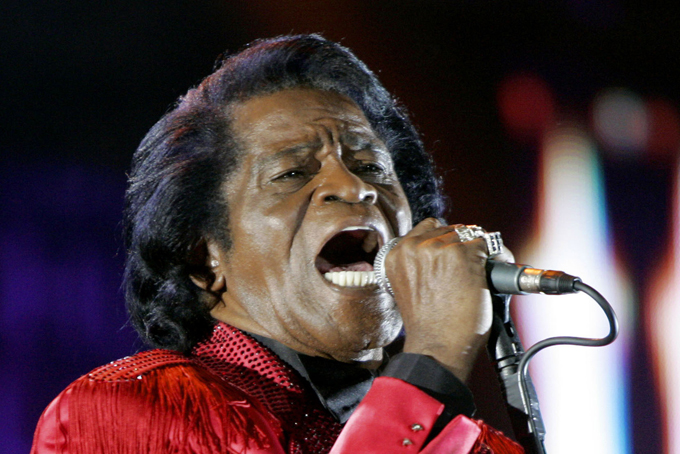
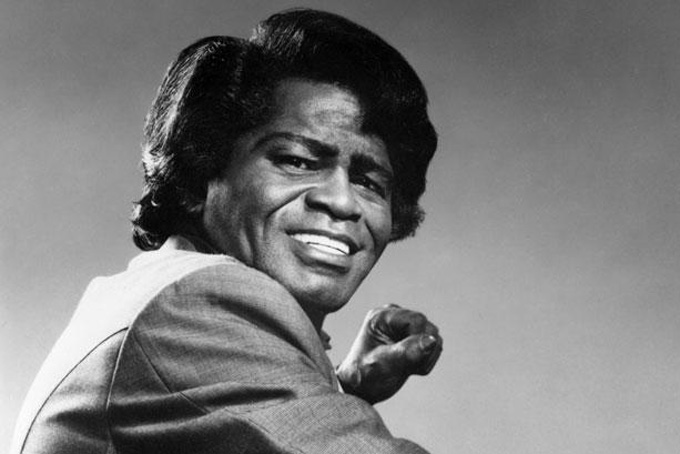
1928—The “Godfather of Soul” James Brown was born on this day in Pulaski, Tenn. He was also referred to as “Soul Brother Number One” and “Mr. Dynamic” for his sensational dancing. Brown died in December of 2006.

1948—Actress Phylicia Rashad is born on this day in Houston, Texas. Rashad is best known for her role as Bill Cosby’s wife in the once highly popular NBC television series, “The Cosby Show.”

1980—Tennis great Venus Williams is born in Lynwood, Calif. Venus is the older sister of fellow tennis great Serena Williams.
• JUNE 18
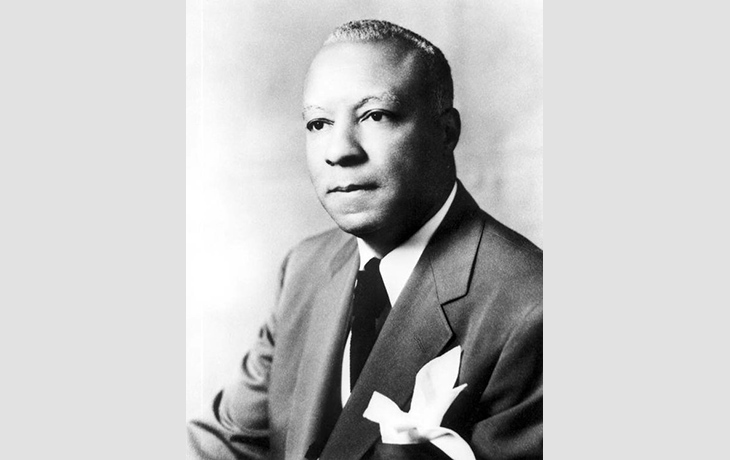
1941—Labor and civil rights leader A. Phillip Randolph initially rejects a plea by President Franklin D. Roosevelt to call off the first-ever Black-organized March on Washington designed to protest unfair employment practices by the military and the defense industry. The march was planned by Randolph, Bayard Rustin and A.J. Muste—all relatively unsung heroes of the early civil rights movement. The march was not cancelled until Roosevelt signed the Fair Employment Act. Ironically, more than 20 years later, Randolph would be one of the principal figures helping Dr. Martin Luther King Jr. organize his historic 1963 March on Washington.
1968—The United States Supreme Court bans racial discrimination in the sale and rental of housing. The decision came in a case known as Jones v. Alfred H. Mayer Co. The court used as its precedent the Civil Rights Act of 1866 to state that housing discrimination by either the government or private industry was unconstitutional.
2010—A study gains widespread publicity indicating that a growing number of Black males are abandoning Black females when it comes to marriage. The report, analyzing data from 2008, found that 22 percent of Black male newlyweds married a woman who was not Black. Meanwhile, 9 percent of Black female newlyweds married a man who was not Black. The study was compiled the Pew research Center and based on data from the Census Bureau’s “American Community Survey.” The actual report had been released in early June.
• JUNE 19
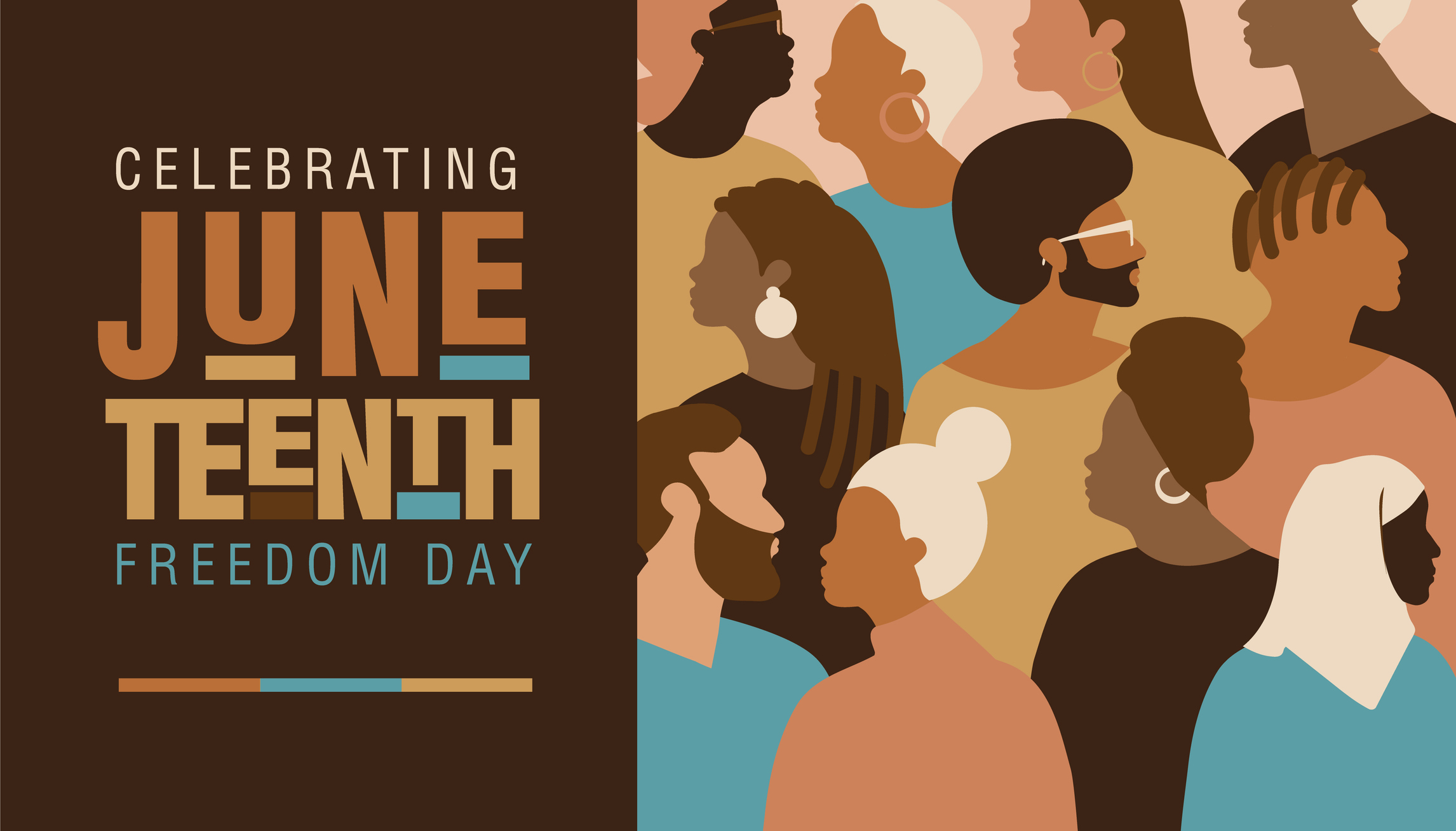
1865—The Juneteenth Celebration begins. June 19, 1865 marks the day that many Blacks actually became free, especially those in Texas. Even though the Emancipation Proclamation technically freed all slaves in 1863, slavery actually continued in Texas until the end of the Civil War. It was not until June 19, 1865 that many slaves learned they had been freed. They called the day of freedom “Juneteenth.” It is normally marked with picnics, barbecues and commemorations. In 1980, the day became an official holiday in Texas.
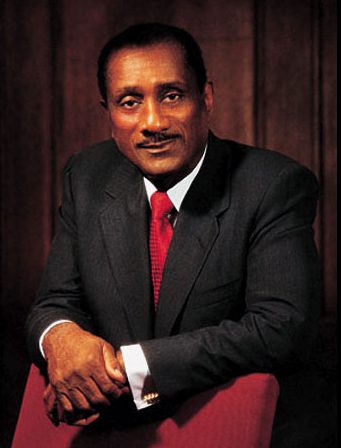
1918—Ebony and Jet magazines founder John H. Johnson is born in Arkansas City, Ark. He moved to Chicago to build his publishing empire. Johnson was the first African-American to appear on the Forbes magazine list of 400 richest Americans with an estimated wealth of $500 million. Johnson died in August 2005. However, both magazines are now in financial trouble.
2009—The U.S. Congress issues a formal apology to Black Americans for the slavery of their ancestors. The resolution acknowledged the “fundamental injustice, cruelty, brutality and inhumanity of slavery and Jim Crow laws” which followed slavery. However, the resolution specific rejected paying Blacks reparations for past, discrimination, mistreatment and brutality.
• JUNE 20
1871—The first anti-Ku Klux Klan trials begin in Oxford, Miss. The trials were part of an effort begun by President Ulysses S. Grant to crush the Klan, which was populated by defeated Confederate soldiers from the Civil War and which was becoming increasingly powerful throughout the South. In Mississippi, White doctors, lawyers and even ministers were indicted for violating Black rights and conspiring against the U.S. government. More than 900 were indicted in Mississippi and 243 convicted. Similar trials took place throughout the South—most notably in South Carolina and North Carolina. Grant’s efforts succeeded in crushing the terrorist organization and it would not rise again until 1915.
• JUNE 21
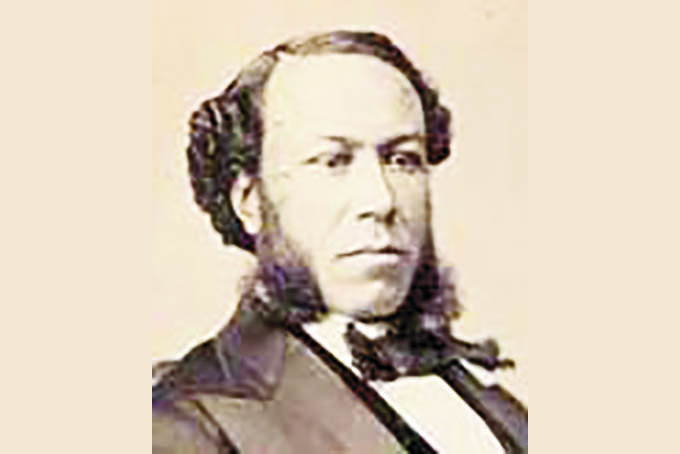
1832—Joseph Haynes Rainey, the first African American to serve in the United States House of Representatives, is born in Georgetown, S.C. He was elected in 1870 from the state of South Carolina. He served five terms in Congress and died in 1887. In 2005, a portrait of Rainey was finally hung in the U.S. Capitol Building.
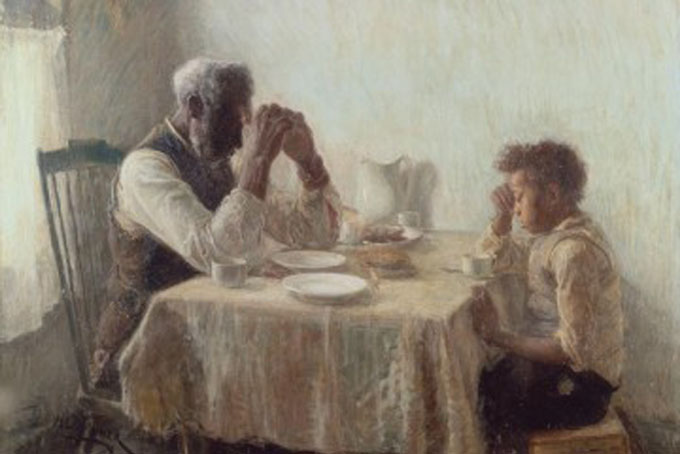
1859—Henry O. Tanner, the first African American painter to achieve international acclaim, is born in Pittsburgh, Pa, to a middle class Black family. His most notable work was “The Banjo Lesson,” which he painted in 1893. Tanner would later teach at Clark University in Atlanta, Ga. Tanner was considered a formalist—meaning his paintings tended to be beautiful depictions of reality. He died in May 1937.
1915—The United States Supreme Court declares in the Guinn v. United States case that “grandfather clauses” in many Southern state constitutions and laws were illegal. The case grew out of the practice, common in the South, of setting up stringent requirements in order to prevent Blacks (former slaves) from voting. But in order to ensure that Whites could vote, the laws exempted them from the difficult requirements by asserting that anyone (or his grandfather) who could vote prior to 1867 did not have to meet the tough standards. Since virtually no Blacks could vote prior to 1867, “grandfather clauses” had the effect of denying Blacks the right to vote.

1964—Three civil rights workers (Andrew Goodman, James Chaney and Michael Schwerner) disappear near Philadelphia, Miss., and are later found murdered. Seven Ku Klux Klan members, opposed to a Black voting rights campaign, were indicted for the killings, but none served more than six years in prison. The incident became one of the major sparks to the then young Civil Rights Movement. Justice for the three was finally completed in June 2005 when the leader of the group of Klansmen—Edgar Ray “The Preacher” Killen—was convicted of their murders. Ironically, Killen was convicted on June 21, 2005—41 years to the day that Goodman, Chaney and Schwerner were killed.
• JUNE 22
1863—The War Department establishes the Bureau of Colored Troops and began to aggressively recruit Blacks for the Civil War. The Black troops would play a major role in turning the tide of battle against the rebellious Southern slave states.
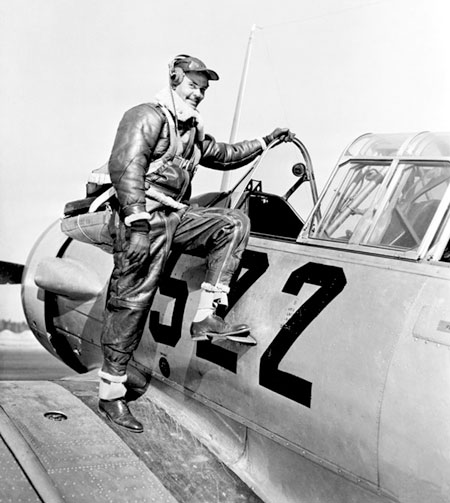
1959—Benjamin O. Davis Jr. becomes the first African American general in the U.S. Air Force. His father, Benjamin O. Davis Sr., had been the first Black general in the U.S. Army.
• JUNE 23

1921—“Shuffle Along”—the first of a succession of widely popular Black musicals performed for White audiences—opened at the 63rd Street Theatre in New York City, becoming the first African American Broadway musical. The musical comedy combined the talents of the legendary team of Eubie Blake and Noble Sissle. “Shuffle Along” produced a long list of hits including “Shuffle Along,” “I’m Just Wild about Harry,” “Gypsy Blues” and “Love Will Find A Way.”
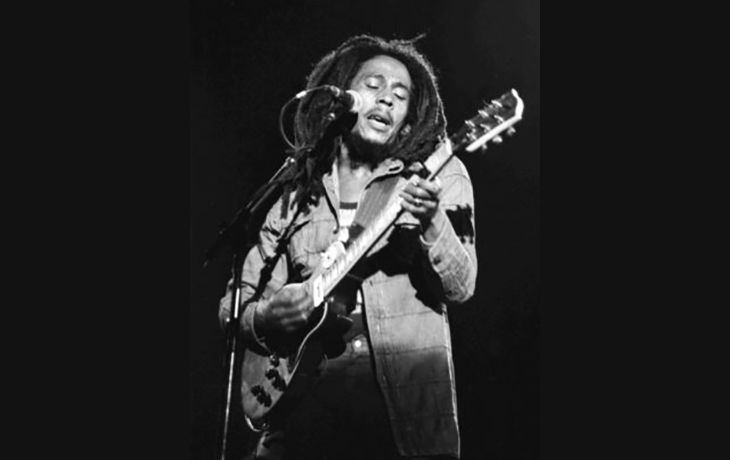
1981—Legendary Reggae artist Bob Marley is given an official state funeral in his homeland of Jamaica. He had died of cancer on May 11 in Miami. Marley and his band “The Wailers” had made Reggae popular worldwide with such hits as “Stir It Up” and “No Woman, No Cry.” He was considered the first third-world superstar and a prophet of the Rastafarian religion. He was only 36 when he died. His body now lies in a mausoleum in Jamaica.