


Endometriosis less likely to be properly diagnosed in Black women
by Renee P. Aldrich
For New Pittsburgh Courier
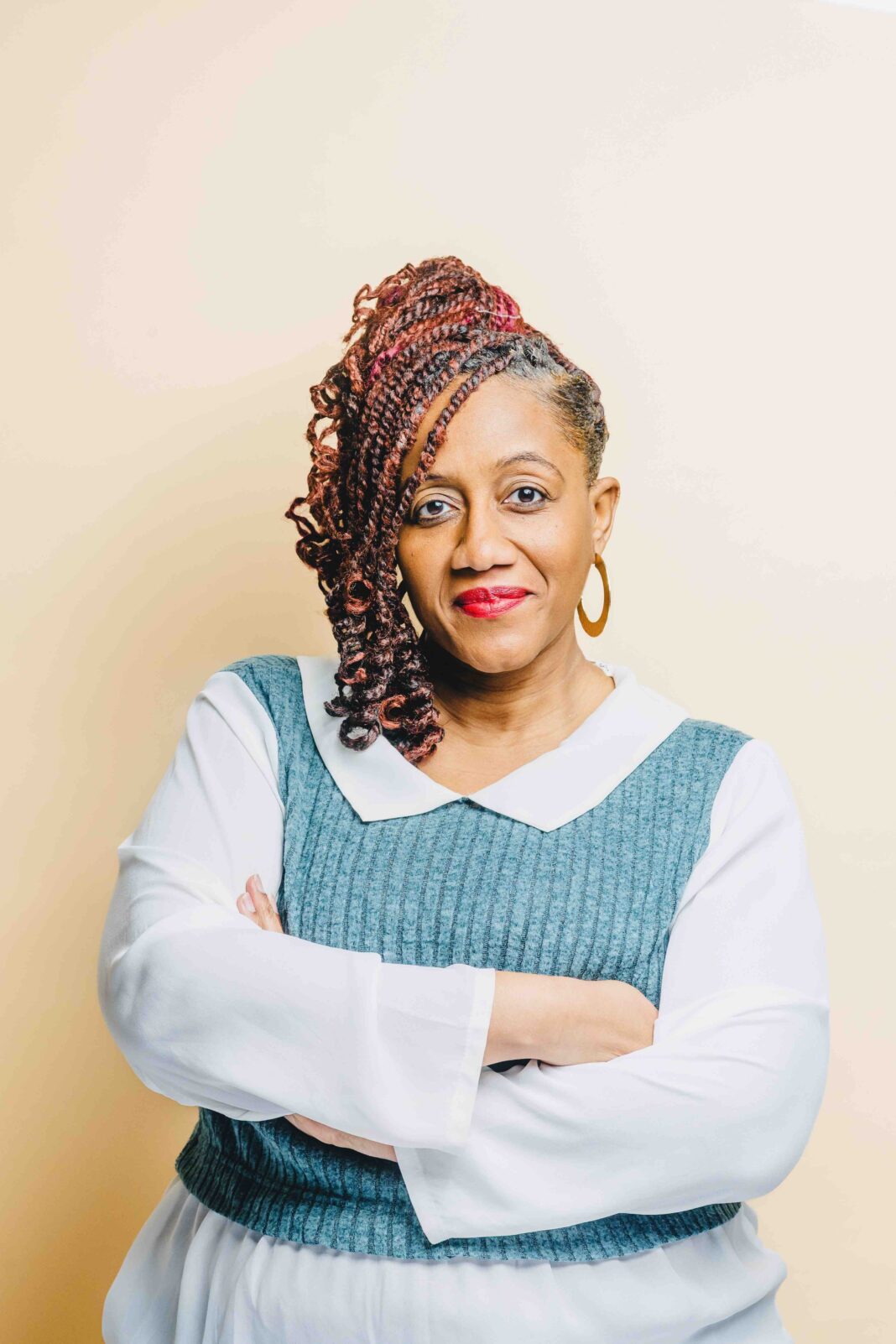
When Fawn Walker-Montgomery was 25 years old, after she had been suffering painful, debilitating menstrual cycles for the past 13 years, the pain often so severe she would pass out, her mother thought it was time for some serious medical intervention.
Turns out, Walker-Montgomery had endometriosis, as did her grandmother.
“I was not given any advice as to how I should proceed, or what I should expect; all they did was say, OK, you have this disease, and even though I already had a daughter, they advised me that I would probably have trouble getting pregnant again,” Walker-Montgomery recalled. “(They) gave me some birth control pills, and sent me on my way.”
She was never told it was a chronic disease, that it could increase in stages, and that it could spread throughout her reproductive system.
In the meantime, Walker-Montgomery went on with her life, continuing to struggle with stomach pain, and frequent trips to the ER, and still no health care provider associated her ongoing problems to endometriosis.
In 2020, at 40 years old, she contracted long COVID and began experiencing a very bad pain on her right side that stayed with her for a year.
The pain stayed, trips to the ER continued. Doctors called it everything including diverticulitis and IBS, or Irritable Bowel Syndrome. When the pain became too much and was lasting too long, she sought the help of a gynecologist and insisted she be referred to a specialist. The gynecologist did find fibroids and suggested that since they were small, they could wait to remove them until after the doctor had her baby.
But Walker-Montgomery said waiting was not an option: “I’ve already been in this pain for a year.”
She finally found an endometriosis specialist who finally told her she had not just endometriosis, but Stage 4 endometriosis, which spread to her rectum and possibly her heart, and that she’d need a hysterectomy.
She told the New Pittsburgh Courier she was shocked to hear this news (she received the news in 2022).
Endometriosis is a chronic medical condition where tissue similar to the inner lining of the uterus grows outside of a woman’s uterus onto other parts of the body. According to the Cleveland Clinic, “when this tissue grows in the wrong places, it can cause painful symptoms that can impact not only your menstrual cycle, but also your daily life.”
“I was so angry with the health care system, and seeing other Black women were going through this,” Walker-Montgomery said. She felt that what happened to her was a form of medical racism.
“As a community organizer and an advocate for the well-being of my community, I felt compelled to share my story,” she added.
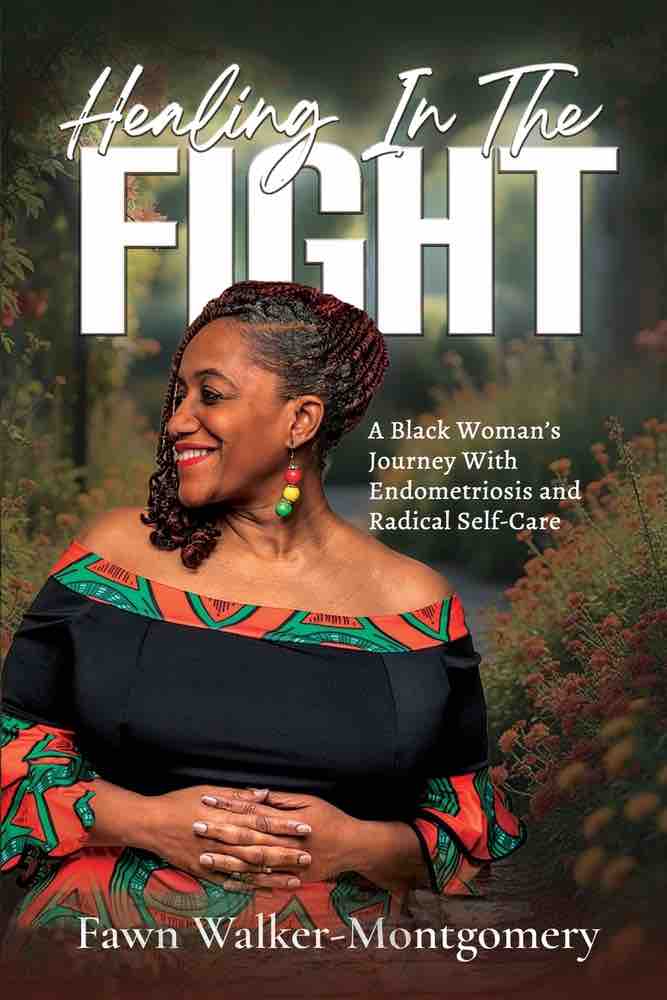
Walker-Montgomery is currently CEO and Co-founder of Take Action Advocacy Group, and is the principal consultant of Fawn Walker-Montgomery Consulting. The 46-year-old’s book, “Healing In The Fight—A Black Woman’s Journey with Endometriosis and Radical Self Care,” is purposed to share not only this decades-long saga with this disease, the literal silence from the health care system in regard to the true nature of endometriosis and what exactly her diagnosis at the age of 25 could mean for her, but also to share her discovery of the healing that has helped her.
“The story is a memoir, and motivated by the Stage 4 diagnosis and the hysterectomy,” Walker-Montgomery said. “I write about not only the journey with the endometriosis, but the intersections with my work and community organizing that go along with it. I wanted Black women to know they are not alone, but to also see some ways of healing.”
Walker-Montgomery shared that she “was offered to have a hysterectomy as early as my 20s; I was told that it was what I was eating, I needed to lose weight, it was stress, I was even told it may have been in my mind. The pain was so severe I can’t even imagine how I withstood it. One way I dealt with it was pressing into my work.”
Walker-Montgomery, who’s also served two terms as a McKeesport Councilwoman, said she “bought into the Strong Black Woman concept which was completely the wrong messaging, based in White supremacy.”
It was only when the pain would not go away that it became clear she needed to change how she did things.
A spiritual awakening tied to moments of silence allowing her to hear from her ancestors about her need to “rest and to be still” and give her body space to replenish helped her turn the corner on her health.
“Through this process, I began to practice African spirituality—like Hoodoo—one of the healing tools we brought with us when we were kidnapped,” she said. “Hoodoo is simply going back to the ways of our ancestors.”
In her book, it details the number of surgeries Walker-Montgomery has experienced. She talks about the hysterectomy she had, and how long it took for doctors to perform.
“It was horrible and doctors said my case (of endometriosis) was one of the worst they had seen,” Walker-Montgomery told the Courier.
“Healing In The Fight: A Black Woman’s Journey With Endometriosis and Radical Self-Care,” can be found on Walker-Montgomery’s website,
fawnwalker.net. She self-published the book, which is why she urges people to purchase the book from her directly on her website. However, the book is also available on Amazon, Goodreads and at City Books (908 Galveston Avenue, North Side).
Walker-Montgomery’s book is both a deeply personal memoir and a powerful act of advocacy. It chronicles her journey through chronic pain, medical gaslighting, and the emotional weight of being expected to stay strong in silence — while weaving in the healing power of African spirituality, rest, and community as pathways to liberation.
“The book…provides accurate knowledge about what endometriosis is and how it affects patients, their families, and their communities,” Walker-Montgomery said. “The book also explores the intersections of living with a chronic illness and racism, including racist medical gaslighting, capitalism, patriarchy, and oppressive standards in women’s health. I also discuss how I had to unlearn White supremacy in order to reach real healing. To heal, we must love ourselves and step into our own power. The book also highlights the benefits of using natural and holistic methods to support healing, and it encourages Black women to reconnect with ancestral healing and with the healing power that lives within us.”