


In this column we have spoken about aging in this country in the most positive ways. We’ve covered essential aspects like maintaining optimal health by engaging healthy habits, the importance of keeping a positive attitude in the approach of our lives, and about being intentional about all of this.
We have discussed facts like aging does not mean losing our capacity to contribute to society. Nor is it ever too late to do something different. Our talents are still valid and still work even though we’ve aged. And misrepresentation by the media does not negate that.

With all this said, there is the reality that we are human, and that humanism makes us susceptible to anything other humans are—and that includes vices. Maya Angelou, at a woman’s conference in 2013, famously quoted an African slave named Terenius Afer. Afer was sold to a Roman Senator, ultimately freed and became a famous playwright. He is credited for saying what Angelou shared at that event: “I am a human being, so nothing a human can do is foreign to me.”
There is an issue among the senior population that is so sensitive; it does not get addressed and often remains silent, making it all the more insidious; and that is the use of drugs among the senior population.
I refer here to substance abuse that exists within individuals beyond age 60 or 70 and even 80—being addicted to drugs.
There are many reasons seniors get addicted to drugs; these include loneliness, residuals from pain meds they were once subscribed for a broken hip or knee surgery or back problem, and/or residuals from a former lifestyle.
The most challenging to address is that of the “pill” problem; it’s the addiction that ends up remaining hidden. This is unfortunate because according to the International Psychogeriatric Association publication, “The health effects of substance use in the geriatric population can be more dangerous than in younger substance abusers. Chronic health conditions and prescribed medications can increase the adverse effects of substance use.”
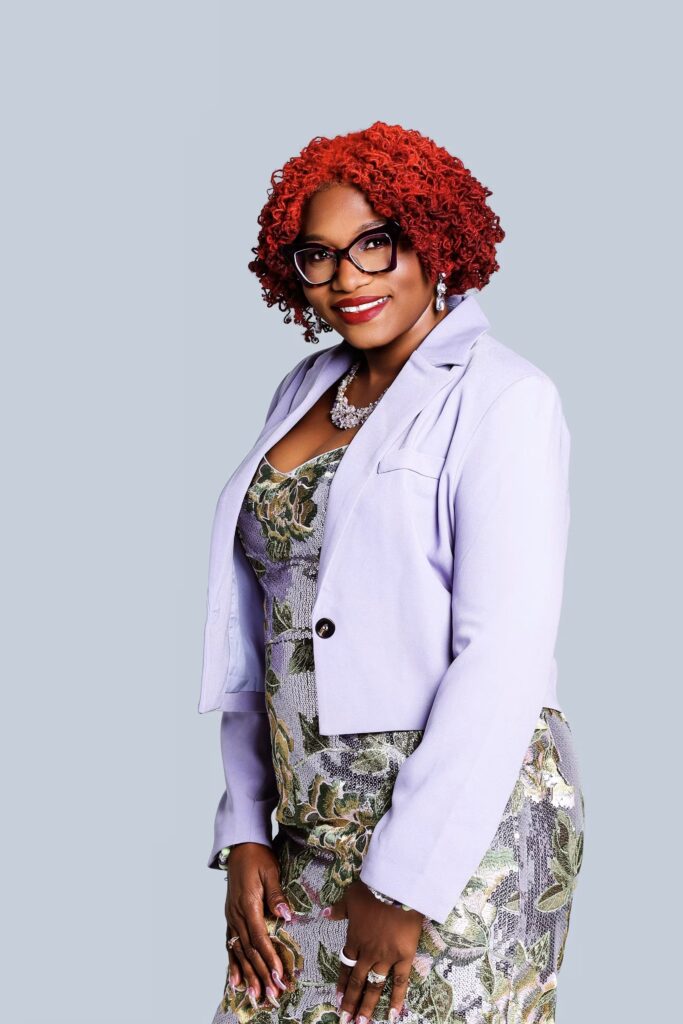
Dr. Erica L. Givner, DSW, LCSW, EMDR-C
Dr. Erica L. Givner, DSW, LCSW, EMDR-C, Founder and Clinical Director of Vision Towards Peace Psychiatric Outpatient Center in Wilkinsburg, shared the following: “Substance abuse among seniors is actually a problem that remains silent for the following reasons…If not associated with longstanding use of drugs, the abuse generally comes in the form of misplaced opioid use. In other words, ‘pills.’
“Pills which are prescribed by their personal physicians, and as a result they (seniors) are not likely to identify as being addicted because their doctors are sanctioning the use. And that ‘white coat’ connection is everything to them—if the doctor says it, then that settles it.”
Dr. Givner added: “Along with this, physicians (some, not all) generally won’t be courageous enough to tell a senior patient they are addicted, or even to stop prescribing to senior patients because of prevailing ailments, such as knee replacements, back or hip problems. These two elements are what makes the matter of drug use in seniors particularly hard to address; you cannot fix what you won’t name.”
The top three substances that get abused are alcohol, pain medications and cannabis/illicit drugs. Alcohol is the easiest because of its easy access, less societal stigma, and a consciousness that says it’s “not really a drug.” However, it has the same properties as pain medication and is therefore a depressant. And as we know, use enough of it and it will cause us to be incapacitated.
De’netta Benjamin-Miller, LCSW, Executive Director of Sojourner House, and the owner of Focus on Life Therapeutic Services, explained in the matter of alcohol abuse that isolation plays a role in resulting in seniors who may turn to alcohol as a coping mechanism. It may start out as just a glass of wine a night, and the next thing you know, you are up to 3 to 4 glasses every night. Also, Benjamin-Miller said, losing a spouse after 30-40 years is an example of a senior using alcohol to cope with the grief.
Prescription drugs are the next common; the National Institutes of Health’s Institute on Drug Abuse reports that chronic health conditions tend to develop as part of aging, and older adults are often prescribed more medicines than other age groups, leading to a higher rate of exposure to potentially addictive medications. One study of 3,000 adults aged 57-85 showed common mixing of prescription medicines, non-prescription drugs, and dietary supplements. More than 80 percent of participants used at least one prescription medication daily, with nearly half using more than five medications or supplements.
And when it comes to cannabis/marijuana, “Baby Boomers” seem to embrace marijuana more so than previous generations.
The matter of substance abuse within our senior population is real, but some of it is silent because of the reasons stated.
Thankfully, there are solutions. First, it begins with education/information; next, communication with our healthcare providers and family members. Be open if you have concerns about the number of pills you are taking, or if you have a loved one who seems to be depending on pain medication more than usual, it’s time to interject.
If we are to age atomically, then we must be intentional about that decision. Embrace the things that lead to that, and negate anything that distracts from that outcome.