
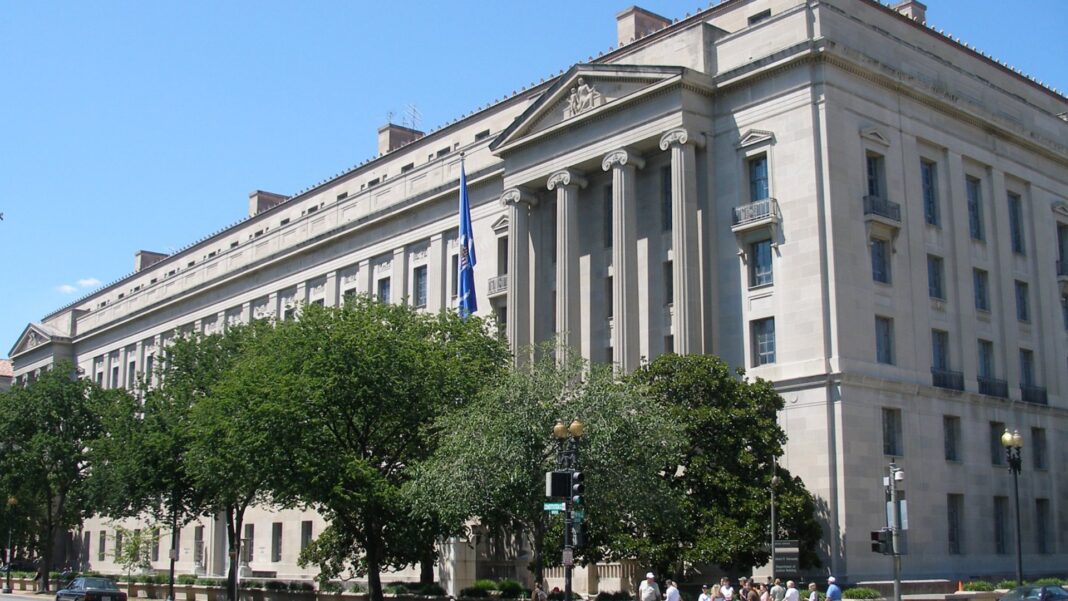


The U.S. Department of Justice is preparing to deploy approximately 1,000 federal election monitors across all 50 states for the November 3 midterm elections, an unprecedented expansion of a longstanding federal oversight program that has raised concerns among civil rights organizations and state election officials.
According to Reuters, the planned deployment would be the largest election monitoring operation in Justice Department history, involving roughly three times as many personnel as the previous midterm election.
The department says its monitors will help ensure compliance with federal election laws, protect voter access and document potential violations. Critics, however, are questioning whether the expanded federal presence could intimidate voters or interfere with election administration, particularly in communities with a history of voting discrimination.
Federal election monitoring is not new. For decades, the Justice Department’s Civil Rights Division has dispatched personnel to polling locations to observe compliance with laws protecting voters from discrimination, intimidation and barriers to participation.
Historically, those efforts have included examining whether polling places are accessible to people with disabilities, whether jurisdictions provide legally required language assistance and whether voters can cast ballots without discrimination.
What distinguishes this year’s operation is its scale, nationwide reach and the administration’s decision to involve federal prosecutors in a program traditionally staffed primarily by civil rights attorneys and other department personnel.
The NAACP has challenged the Justice Department’s plans in federal court, seeking greater transparency about the legal authority and procedures governing the deployment.
In an October 5 announcement, the organization said it had filed an emergency lawsuit seeking records about the proposed use of federal law enforcement personnel as election monitors. The organization argues that the department has not adequately explained how its expanded operation will protect voters without creating opportunities for intimidation.
The dispute carries particular significance for Black voters, whose access to the ballot has been central to federal voting rights enforcement since passage of the Voting Rights Act of 1965.
The law was enacted to confront discriminatory practices that prevented Black Americans from participating fully in elections, particularly across the South. Federal oversight subsequently became an important mechanism for documenting and addressing violations.
Civil rights advocates now worry that a program historically associated with protecting voting rights could operate differently under the Trump administration’s expanded emphasis on election fraud investigations and allegations of voting by noncitizens.
The Justice Department rejects those concerns.
Department spokesperson Kiersten Pels told Reuters that monitors will receive training designed to prevent interference with election operations. She said their responsibilities will include documenting possible violations of federal election law and protecting access to polling places.
Officials also said monitors would not attempt to verify voters’ citizenship status at polling locations on Election Day.
The distinction matters because election monitors do not have unlimited authority to direct voting procedures, question voters or conduct investigations inside polling places. Their activities remain subject to applicable federal and state laws.
Several states are preparing additional oversight measures in response to the federal deployment.
In Minnesota, state officials assigned approximately 40 employees to observe Justice Department personnel during the August primary election. Secretary of State Steve Simon has indicated that similar coordination may continue during the general election.
California has also developed measures to observe federal election monitors. Other states have issued guidance explaining the legal limitations governing federal personnel at polling locations.
The competing oversight efforts reflect broader disagreements between the Trump administration and state officials over election administration.
The administration maintains that stronger federal scrutiny is necessary to enforce election laws and maintain public confidence. Critics contend that the federal government is extending its role beyond traditional civil rights monitoring.
Those disagreements have intensified as states prepare for an election that will determine control of Congress.
The Justice Department has not publicly identified every location where its monitors will be stationed. Officials have indicated that deployment priorities include jurisdictions with previous voter access concerns and competitive elections where intimidation could occur.
For voters in cities such as Detroit, Chicago, Atlanta and Pittsburgh, the expanded operation raises practical questions about what federal monitors may do, how their presence will be managed and which protections remain in place.
Regardless of the federal monitoring program, eligible voters retain their rights under federal and state election laws. Election officials remain responsible for administering voting procedures, while allegations of intimidation or discrimination can be reported through established legal channels.
With Election Day approaching, the central question is whether the expanded federal operation will strengthen enforcement of voting protections, as the Justice Department maintains, or create additional uncertainty at polling places, as its critics fear.
The answer will depend largely on how the program is implemented and whether federal personnel operate within their established legal authority.