

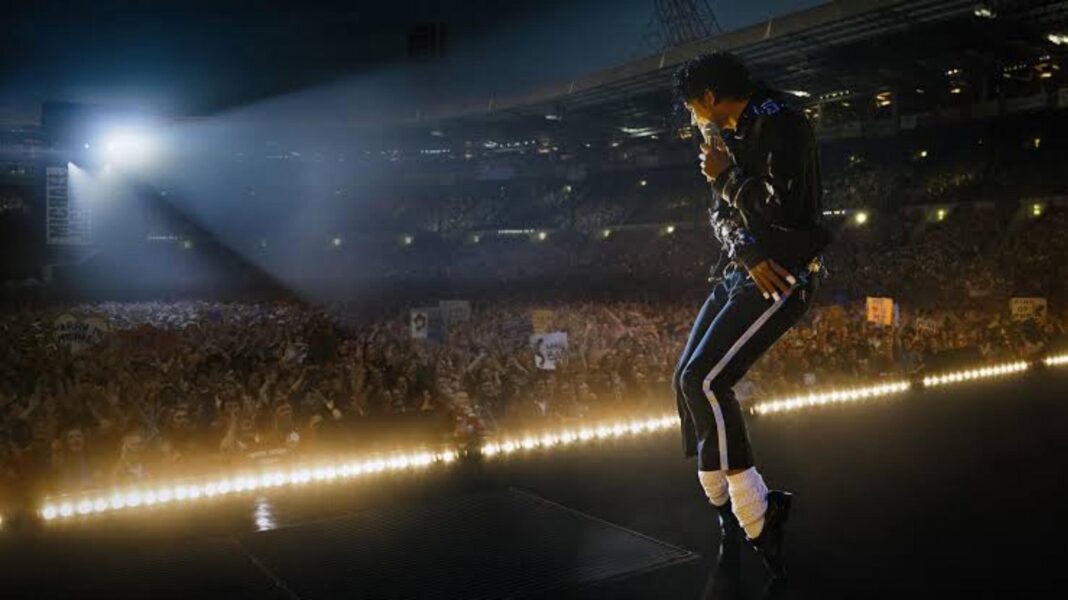

The Michael Jackson biopic Michael is breaking records at the box office, earning over $400 million globally within its first month and positioning itself as a potential billion-dollar film. Directed by Antoine Fuqua and produced by Graham King, the film has drawn massive audiences — but also renewed debate over how Jackson’s legacy is portrayed.
Critics have questioned the absence of the sexual abuse allegations that followed Jackson later in his life. The film ends in 1988, before any of those accusations became public, a decision that has become a focal point of controversy.
Filmmaker Spike Lee pushed back on that criticism, arguing that the film should be judged within the boundaries of its timeline. “If you’re critiquing the film for not including events that happen after it ends, that doesn’t make sense,” Lee said in a recent CNN interview, emphasizing that the allegations fall outside the scope of the story being told.
The cutoff point was not purely creative. The timeline was influenced by a legal constraint tied to a 1994 settlement between Jackson and his first accuser, Jordie Chandler. That agreement reportedly limited how Chandler could be depicted, prompting rewrites and a delayed release.
Despite the controversy, Michael has resonated strongly with audiences worldwide. Lee, who previously collaborated with Jackson and directed multiple projects about him, praised the film and its portrayal of the artist at the height of his career.
The conversation around Michael reflects a broader tension between celebrating artistic legacy and confronting difficult aspects of public figures’ lives—one that continues to follow Jackson more than a decade after his death.