


BOXER-TURNED-ACTOR CANADA LEE
• MAY 6
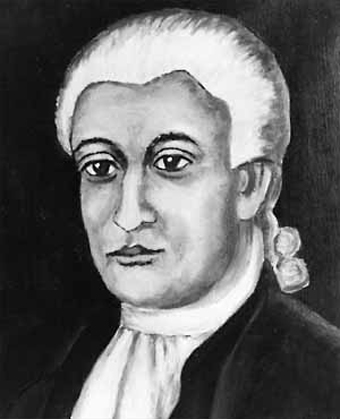
1787—Prince Hall organizes the nation’s first Black Masonic lodge in Boston, Mass.—African Lodge #459. Hall would go on to become the father of Black Masons in America and a major Black leader in the Northeast.
1812—Martin R. Delany, a pioneering Black nationalist, is born on this day in Charles Town, Va. Abraham Lincoln once described him as one of the most brilliant men he had ever met. Delany would fight in the Civil War to end slavery and become one of the nation’s first Black military officers. After the war he became a doctor. But over the years he became frustrated with American racism and began to advocate a return of Blacks to Africa.
• MAY 7
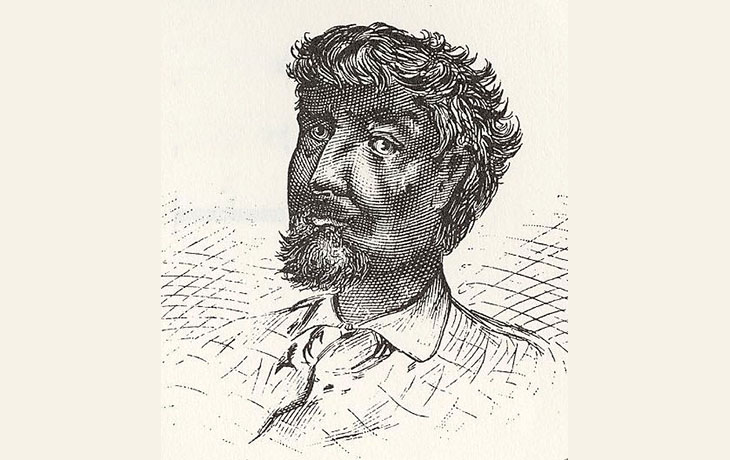
1800—On this date the founder of the settlement which would grow to become the city of Chicago, Jean Baptiste Pointe Du Sable, sold his property and left the settlement. The Haitian-born frontier trader and businessman had a history of building significant wealth, losing it and building it again. He would die 18 years later in St. Charles, Mo.
1878—Black inventor, Joseph R. Winters, receives a patent for his designing of the fire escape ladder.
2010—A report on felony disenfranchisement laws begins to receive widespread publicity. The report was actually released on April 21 by the NAACP Legal Defense and Education Fund. It showed that 5.3 million Americans were being denied the right to vote because of past felony convictions. Disproportionately, those denied voting rights were African American. In fact, the report revealed that 13 percent of Black males could not vote because of felony convictions. Historically, most voting disenfranchisement laws were enacted after the Civil War as a means to keep newly freed Blacks from voting.
• MAY 8
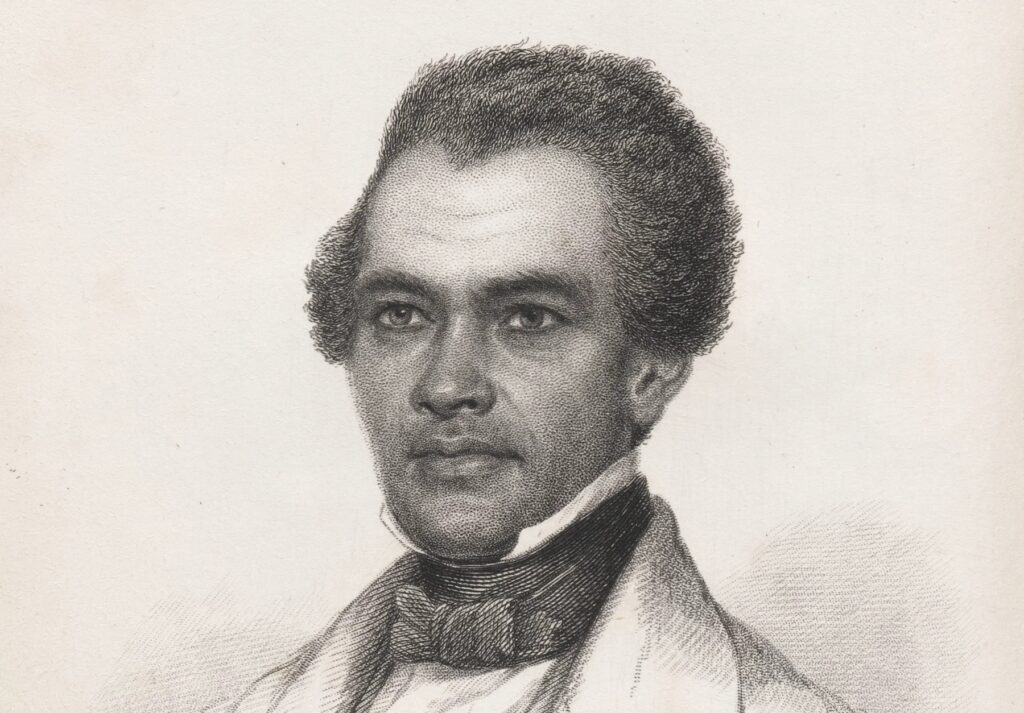
1858—The first play by an African-American writer is published. The play was titled “The Escape” and the author was William Wells Brown.
1925—The Brotherhood of Sleeping Car Porters was founded. It would become the leading Black-led trade union organization in America. In addition to introducing unionism to African Americans, the ability to travel to cities throughout the country enabled the porters to become a major vehicle of communications for American Blacks. They distributed everything from letters to Black-oriented newspapers as they traveled the nation. The chief organizer was the legendary A. Phillip Randolph.
• MAY 9

1952—Boxer-turned-actor Canada Lee dies in New York City at the age of 45. Second only to the legendary Paul Robeson, Lee was the leading serious (non-comedic) Black actor of the 1940s. He gave impressive performances in Alfred Hitchcock’s thriller “Lifeboat” (1944), the boxing classic “Body and Soul” (1947) and “Cry, The Beloved Country” (1951). However, like Robeson, Lee’s film career came to an end during the McCarthy Era when a host of Black and White stars, who were also social activists, were labeled communists and denied jobs.
• MAY 10
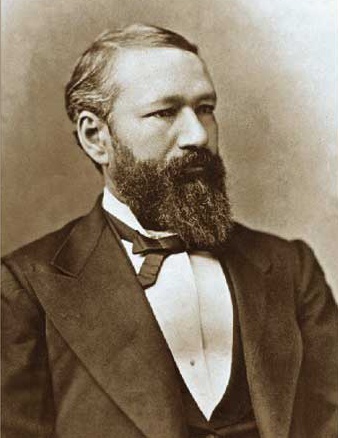
1837—P.B.S. Pinchback was born in Macon, Ga., to a White plantation owner and a free Black woman. He became one of the leading Black politicians of the Reconstruction era, especially in Louisiana. After the Civil War, he became lieutenant governor of Louisiana and actually served as governor for 43 days. He was later elected to both the U.S. House of Representatives and the U.S. Senate. He would also play a significant role in the establishment of Southern University and a major Black newspaper known as the Louisianan.
1994—After being released from 27 years of imprisonment for his battles against the racist system of apartheid, Nelson Mandela is elected the first Black president of South Africa. His government focused on dismantling the legacy of apartheid through tackling institutionalised racism and fostering racial reconciliation. Politically an African nationalist and democratic socialist, he served as president of the African National Congress (ANC) party from 1991-97.
• MAY 11
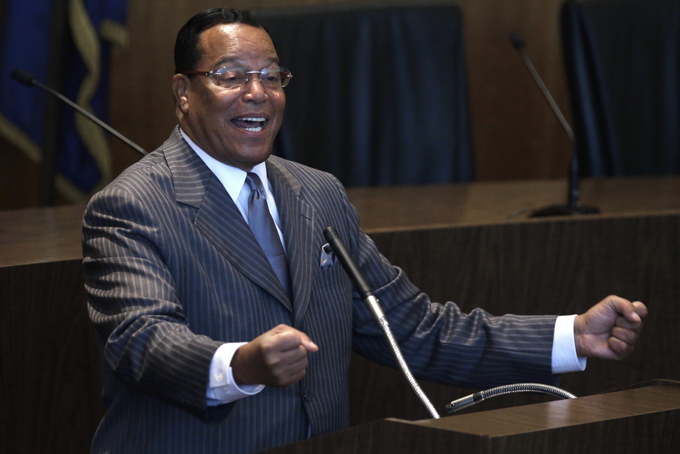
1933—Nation of Islam leader Louis Farrakhan is born Eugene Walcott on this day in the Bronx, N.Y. He was raised by his St. Kitts-born mother in Roxbury, Mass. Prior to joining the Nation of Islam in 1955, Walcott had achieved celebrity status in the Boston area as a Calypso singer, dancer and violinist known as “The Charmer.”
1968—Nine caravans of protesters arrived in Washington, D.C., for the first phase of the Poor Peoples Campaign—an anti-poverty effort conceived by Dr. Martin Luther King Jr. The campaign aimed to united Black, White and Hispanic poor people in an effort to pressure the government to do more to eliminate poverty in America. King had been assassinated the previous April, so the campaign was led by his lieutenant, Rev. Ralph Abernathy. The campaign erected Resurrection City near the Lincoln Monument and held daily demonstrations in Washington from May 14 to June 24.
• MAY 12
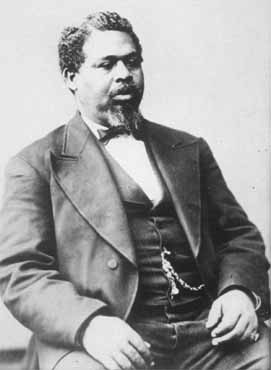
1862—In a bold and heroic endeavor, Robert Smalls led 12 other slaves and stole a Confederate warship, then turning it over to Union forces. The White captain of the steamer Planter and other officers had gone ashore for a party in Charleston, S.C. Smalls, a wheelman, quickly organized the Black crew and steered the ship out of Charleston harbor right past the unsuspecting Confederate forces. For his daring deed, Smalls was commissioned a 2nd lieutenant. After the Civil War, he was elected congressman from South Carolina.
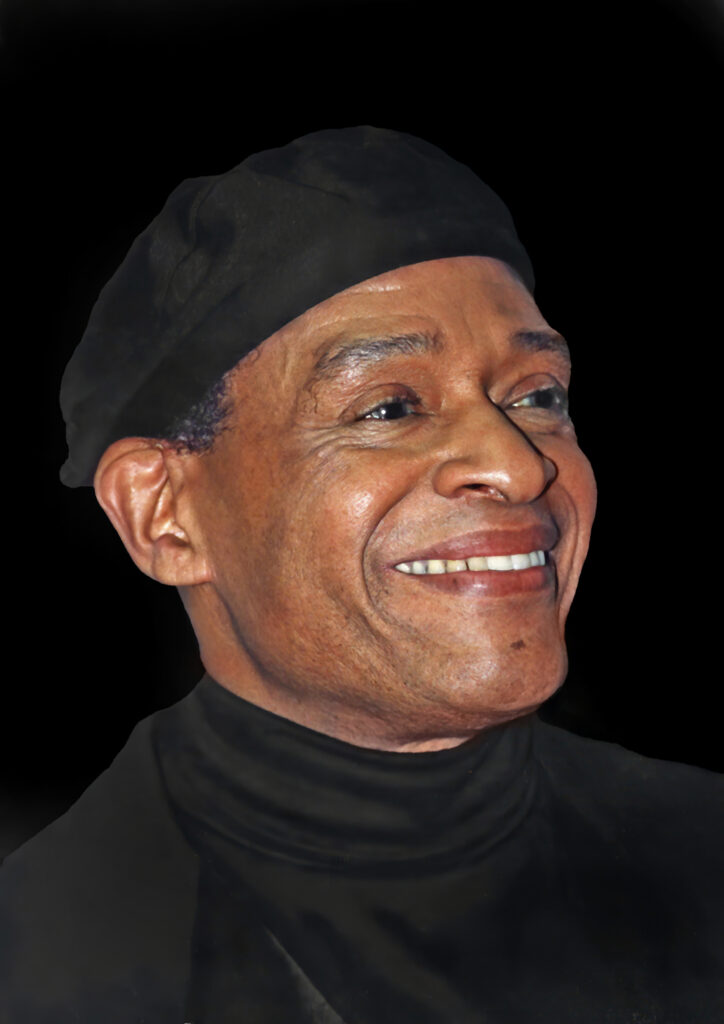
1940—Jazz singer Al Jarreau was born on this day in Milwaukee, Wisc. Jarreau (1940–2017) was a legendary American singer known for his extraordinary vocal versatility, earning him the nickname “Acrobat of Scat”. He remains the only artist in history to win Grammy Awards in three separate categories: Jazz, Pop, and R&B. [1, 2, 3, 4, 5]