


In Homewood, business challenges, hidden history and a music tradition show what it takes for a community to endure.
“Pittsburgh’s Public Source is an independent nonprofit newsroom serving the Pittsburgh region. Sign up for our free newsletters.”
In Homewood, what’s missing and what endures often sit within blocks of each other.
There are places to grab a sandwich, but no sit-down restaurant to anchor a night out.
In a nearby basement, thousands of photographs document decades of community life, largely unseen.
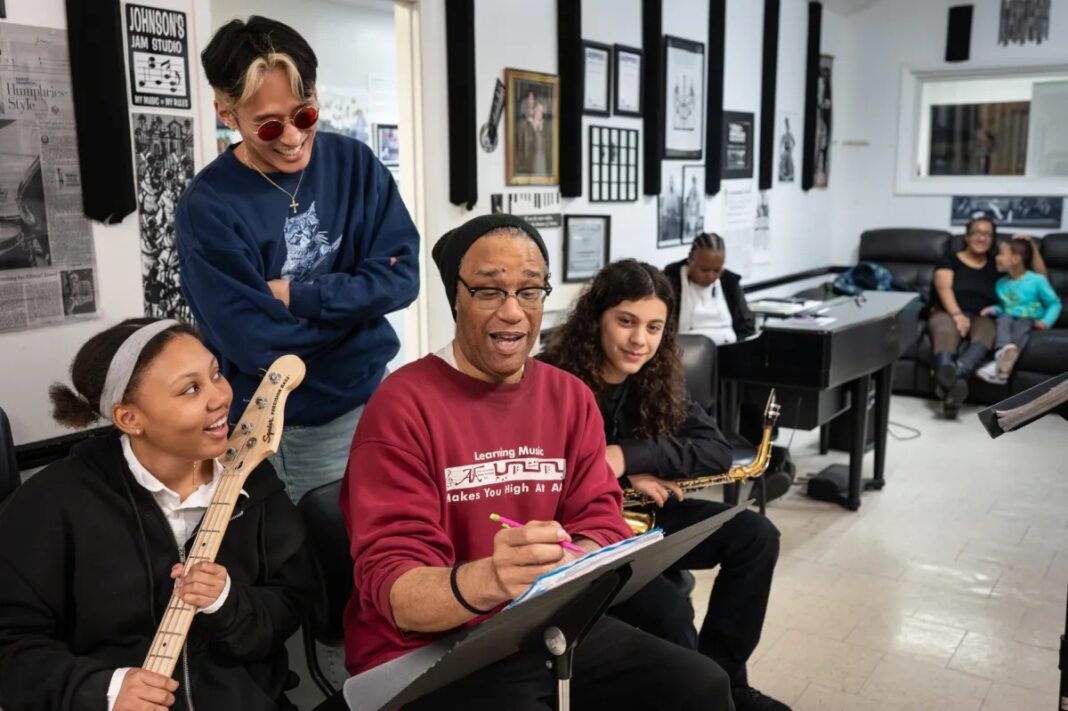
And just blocks away, music fills the halls of an institution that has carried Homewood’s cultural legacy forward for generations.
Together, they point to a larger question: What does it take for a neighborhood to sustain itself — not just in business, but in memory and culture — after years of disinvestment?
What it takes to fill the seats
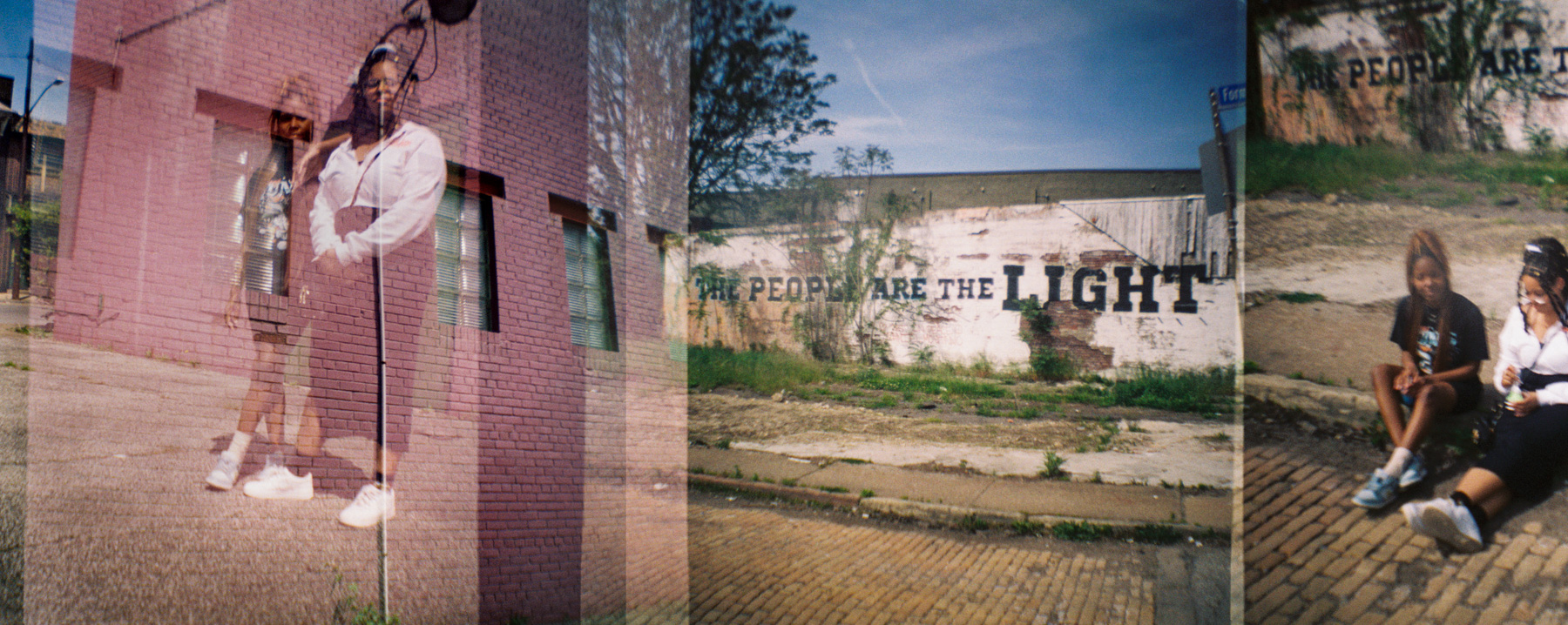
The challenge is visible in Homewood’s business corridor.
On a recent Saturday morning, four patrons sat inside Everyday Cafe at the corner of Susquehanna Street and North Homewood Avenue, eating soup, sandwiches and pastries. Just across the street, North Homewood Pizza remains closed, shuttered after a recent fire.
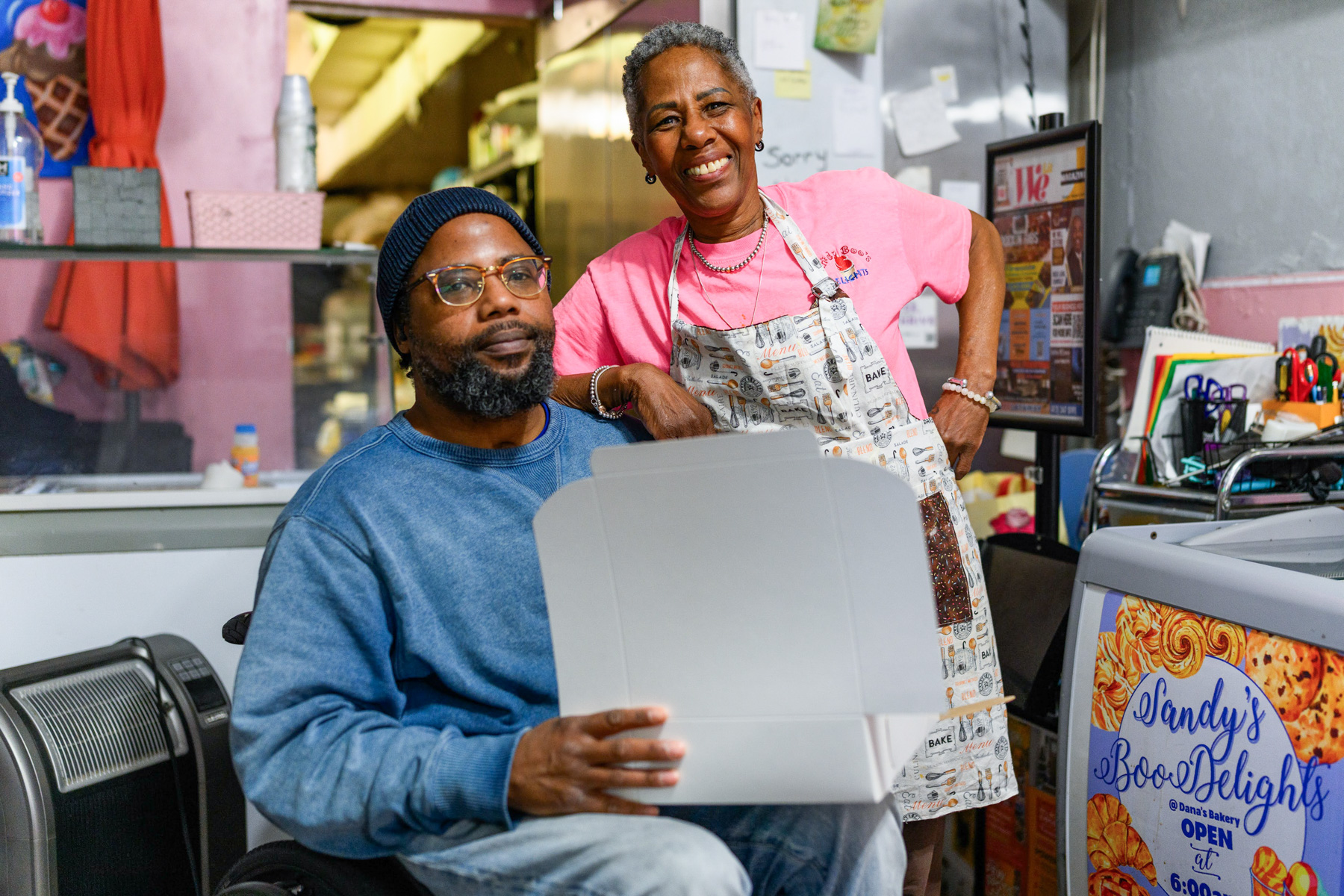
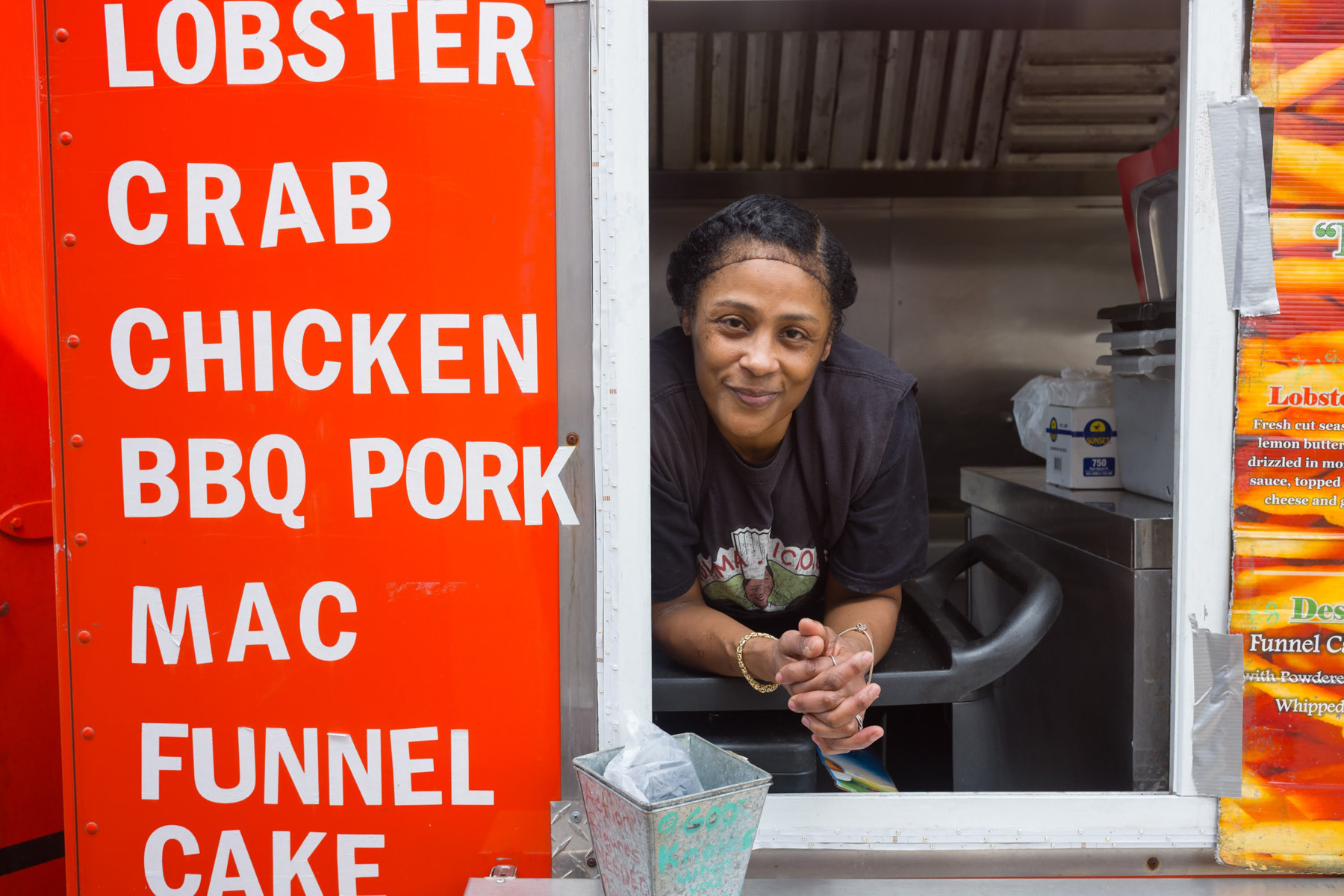
Small eateries dot the neighborhood. Longtime fixtures like Dana’s Bakery and Shuman’s, housed in a former Kentucky Fried Chicken, continue to serve residents. Adult patrons enjoy the local lounges, many of which offer meals, and some have Sunday brunch. But Homewood hasn’t had a full-service, sit-down family restaurant in nearly 30 years, not since the Southern Platter closed on nearby Murtland Street.
New investment is coming. The mayor’s office has launched a Main and Main initiative to supply loans, facade renovations, permitting improvements and more to support local business districts. The initiative has attracted restaurant Dirty Birds Chicken to North Homewood Avenue, in a building that has cycled through uses — a radio station, a bathhouse, a produce market — each reflecting a different chapter of the neighborhood’s commercial life.
Still, the absence of a sit-down restaurant speaks to deeper challenges.
Vernard Alexander, a developer and community entrepreneur known as the “Connecting King,” said, “there isn’t one answer.” He cited location, funding and population, noting that Homewood’s population (now between 5,000 and 6,000) would likely need to grow significantly to sustain more businesses.
“Even if you have a larger population,” Alexander said, “you’d need folks who make nice incomes and have disposable income so that they’re able to sustain local businesses to transform the community.”
Opening a restaurant can also be hampered by other complications, Alexander noted, from delays with permits, rising construction costs, the poor condition of existing buildings or the steep costs of building from scratch on an empty lot.
In the end, Alexander said, the challenge is not just building a restaurant but building the customer base to support it.
What a neighborhood holds onto
Sustaining a neighborhood isn’t just about what’s open now. It’s also about what is remembered and what gets lost.
In Homewood, history isn’t always neatly archived. Sometimes it’s tucked away, forgotten, in a basement.
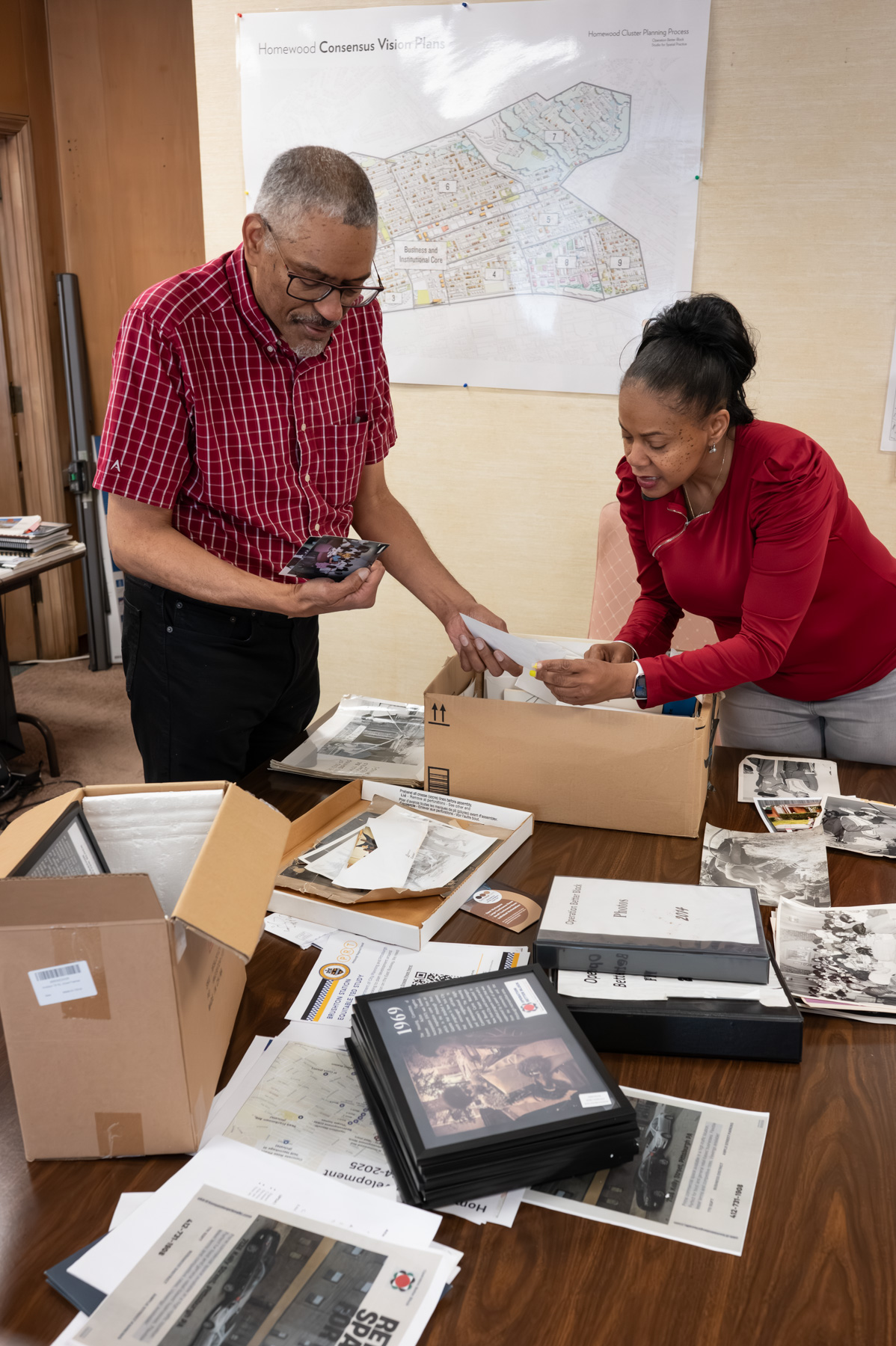
Operation Better Block (OBB) operates out of the former Second Federal Savings and Loan Association on North Homewood Avenue, its stone façade a reminder of an earlier era. Inside, the nonprofit runs programs ranging from youth employment to housing development. But downstairs, another kind of work surfaced unexpectedly.
Around 2015, resident services and program manager Camille Smith was clearing space in a storage room when she opened a set of boxes. Inside were hundreds, eventually thousands, of prints, negatives and undeveloped film. “Tons and tons of pictures,” she recalled. They showed neighborhood events, organizing efforts and everyday life stretching back to the 1970s and beyond.
The images reveal a Homewood where residents cleaned vacant lots together, repaired sidewalks and participated in blockwide revitalization efforts.
For some, like Carlos Thomas, OBB’s communications and community engagement specialist, the photos challenge dominant narratives. They point to a time when Black neighborhoods thrived, raising questions about how and why that changed.
“Communities were deliberately broken,” Thomas said. “People were also doing this because the City of Pittsburgh would not.”
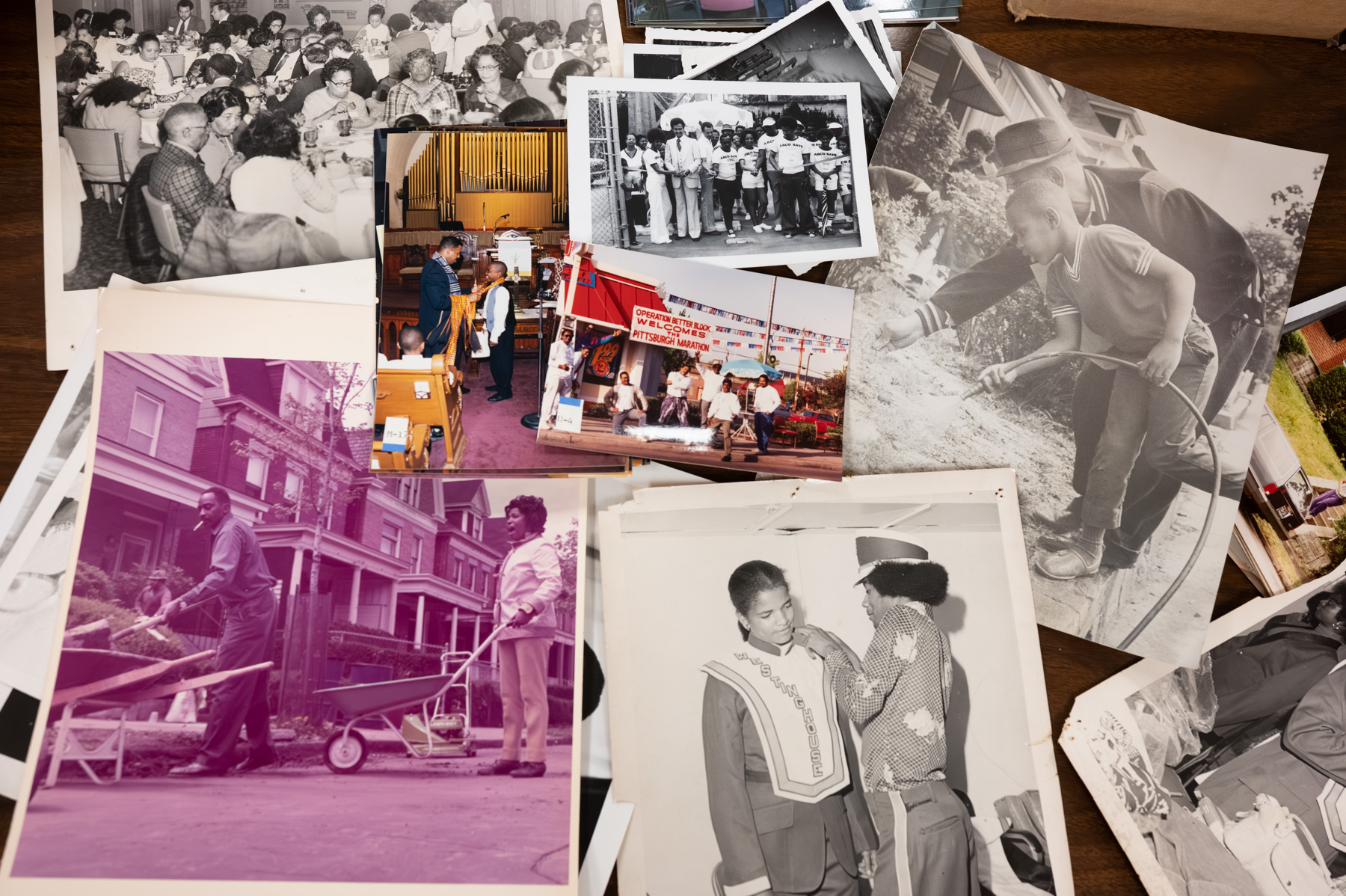
Today, OBB is trying to keep that history from being lost. But preservation, so far, is informal: stacks of photos are gathered on desks, safeguarded as best as they can be. OBB lacks the staff and resources to catalogue, digitize or identify the people and places captured in the images.
The discovery has sparked bigger ambitions, from partnerships with universities and museums to the idea of a Homewood-based archive, or even a neighborhood exhibit tied to the African American history museum being developed at the Senator John Heinz History Center.
OBB Executive Director Jay Gilmer is also wondering if there is a way to showcase the photographs in churches, stores and community spaces. They would serve as little “black and white memories” of what was, in order to show what can be.
But first, he said, “we have to preserve them.”
What residents keep alive
Near the intersection of Hamilton and North Homewood avenues, the Afro American Music Institute (AAMI) stands as both a landmark and a living music library. Outside, visitors are greeted by an archway and a bright mural of Black musical icons — a visual overture to what happens within.
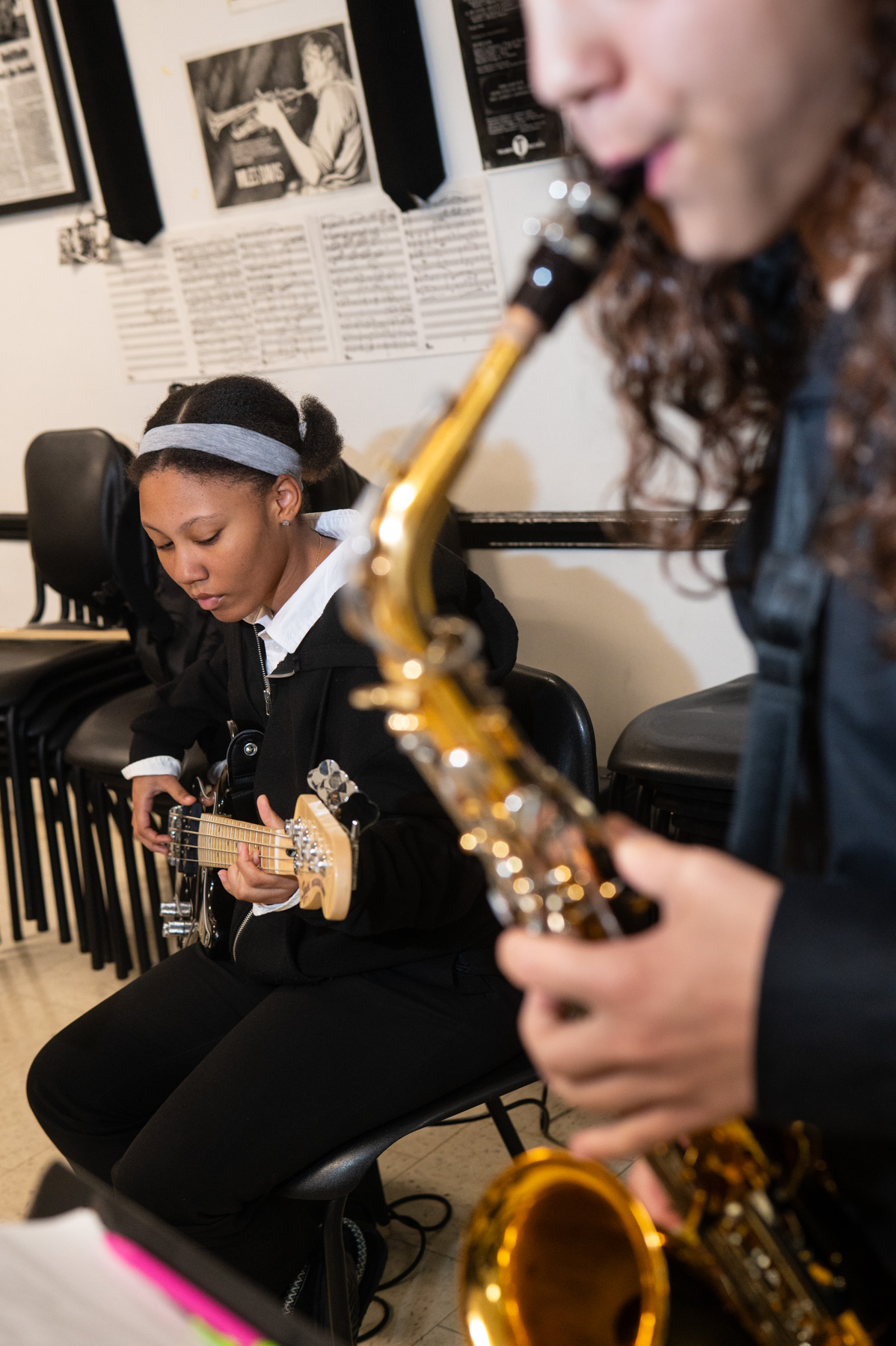
Inside the nationally recognized cultural institute, jazz riffs spill from one room, gospel harmonies from another. A piano runs scales down the hall while drums and horns answer back. It is the sound of culture being passed on.
James T. Johnson Jr. and his wife, Pamela, founded the institute in 1982 and mentored thousands, providing those who came through with cultural pride and dignity. Homewood, now battling back from years of disinvestment, has a proud but complicated past. Pamela Johnson readily reminds everyone that even though she and her husband traveled the world teaching and performing, “we never wanted to be outside the community we served. The history was here, and we wanted to connect to it.”
The Johnsons knew of Homewood’s deep musical lineage: Billy Strayhorn, Dakota Staton and Ahmad Jamal (whose piano now sits inside AAMI and is hailed as a sacred instrument) all grew up in the neighborhood.
James Johnson passed away in spring 2026, but AAMI’s mission continues: using music to connect people not only to local legacies but also to larger historical moments.
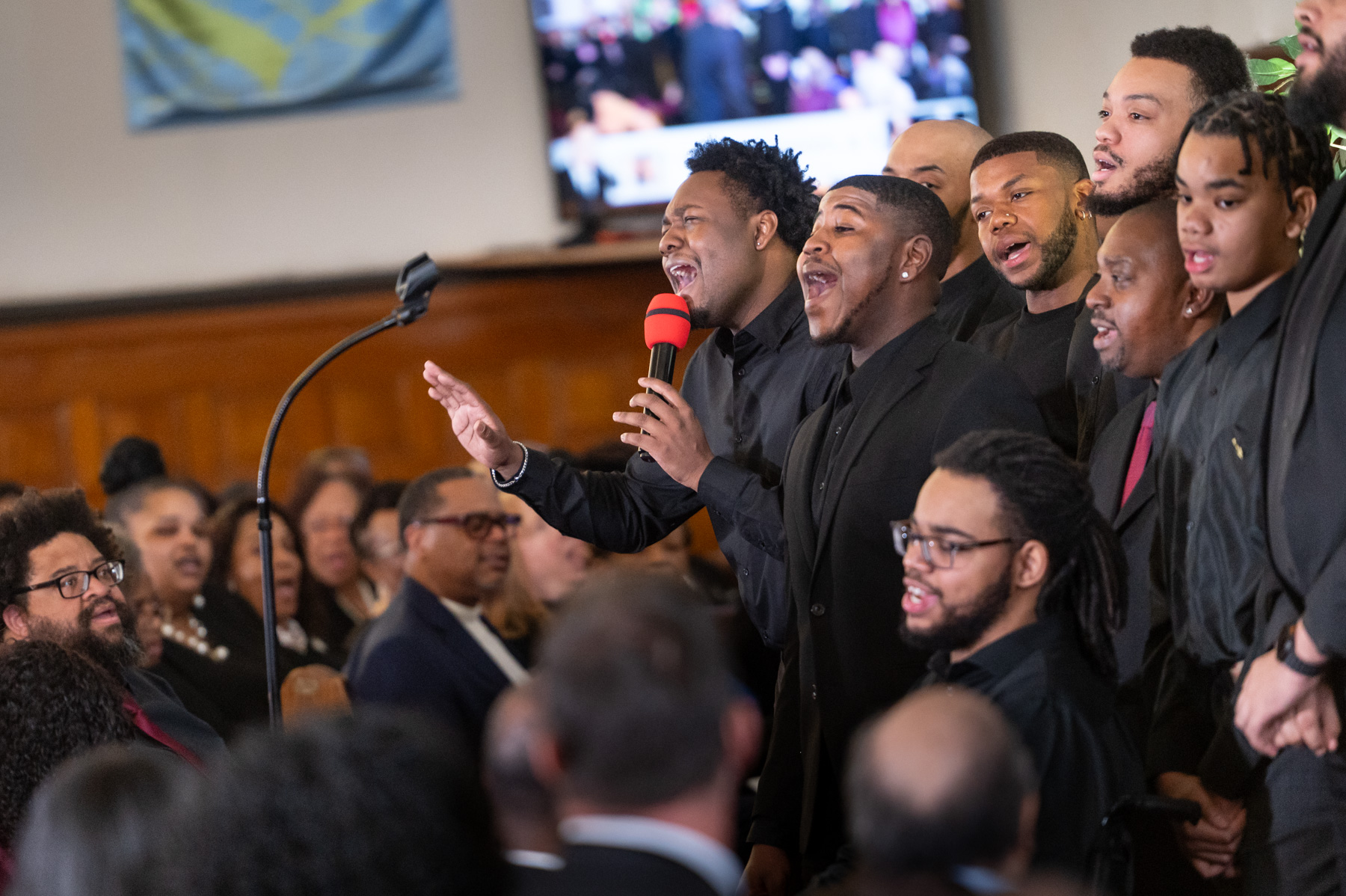
AAMI’s walls are lined with decades of photos, programs and newspaper clippings — evidence of a mission that stretches from the spirituals of slavery to the anthems of the Civil Rights Movement. Former student Andrew Coleman began taking music and voice classes at AAMI at age 7. Today, his photos are on the wall.
Coleman is now an English teacher, using the music instruction and performance skills he learned at the institute to pass cultural lessons forward. That cycle of learning, creating and returning is central to AAMI’s role in Homewood.
It was at AAMI, Coleman said, that music became a vehicle for connecting “the whole story of the Black experience, from slavery to civil rights,” he recalled.
“Music there,” he added, “was never just performance. It was education.”
Ervin Dyer is a writer who focuses his storytelling on Africana life and culture. He can be reached at ervindyer@gmail.com
This article first appeared on Pittsburgh’s Public Source and is republished here under a Creative Commons Attribution-NoDerivatives 4.0 International License.