

Could you forgive a police officer who shot you five times?
It’s been almost 14 years since Pittsburgh Police Officer David Derbish fired his service weapon and struck Leon Ford during a traffic stop in Highland Park on the night of Nov. 11, 2012. Ford survived, but was paralyzed from the waist down due to the shooting.
Ford, 19 at the time of the shooting, 33 years old today, has talked publicly for years about how the incident forced him to search deep down inside his soul, exploring his level of spirituality, forgiveness, and what the word “accountability” truly means.
First things first. Ford was mistaken by officers for a wanted gang member named Lamont Ford Jr. on that fateful night, or this incident probably never would have happened. Leon Ford provided his driver’s license with his correct name, but he was not believed by officers.
When Officer Derbish jumped into the front passenger side of Leon Ford’s vehicle, Ford’s vehicle began to move forward. Officer Derbish shot Leon Ford five times.
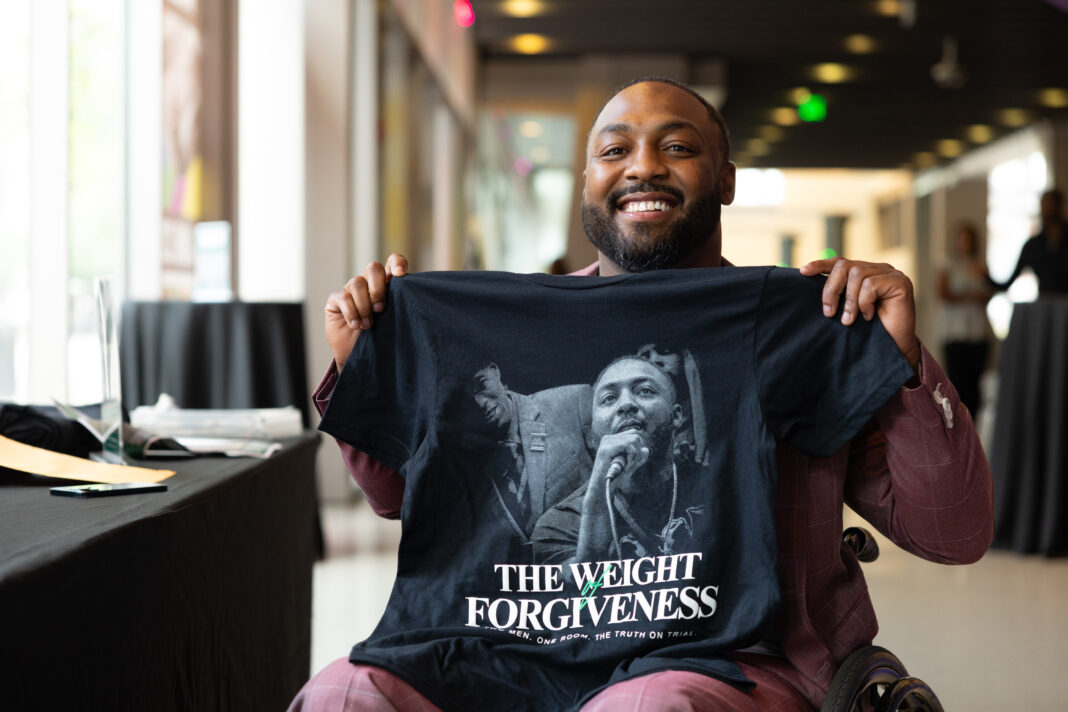
On Sept. 16, 2026, hundreds gathered in the August Wilson African American Cultural Center auditorium to witness the premiere of Leon Ford’s play, “The Weight of Forgiveness.” It is a two-person play featuring —you guessed it—Leon Ford and Officer Derbish, played by two actors, Dionysius Westbrook as Leon Ford and Michael Patrick Trimm as Officer Derbish.
In the written promotion leading up to the play, Officer Derbish’s name was never mentioned, only referred to as “the Pittsburgh police officer who shot him.”
The two-person drama is based on the real conversation Ford had when he sat face to face with the officer. The play was written by Ford and directed by Mark Clayton Southers.
“What I love about Leon’s work is, he writes from his truth,” Southers said in a promotional video for the play. “A lot of people probably can’t relate to that because they haven’t experienced the depths of his trauma.”
Southers added that the play will be “really impactful, especially for young Black men in America.”
A day prior to the premiere, Ford wrote an essay for the local web-based publication Pittsburgh Progress.
“For a long time, I thought forgiveness meant letting somebody off the hook,” Ford wrote. “I thought it meant pretending something did not happen. Moving on before there was accountability. Making other people comfortable with something I still had to live with every day. I know now that forgiveness is much more complicated than that.”
Audience members who attended the play felt “the tension of sitting across from someone connected to the worst night of your life and trying to understand how he (the officer) experienced it. Not to excuse the pain he caused but to understand it,” Ford wrote.
Ford continued: “Understanding someone’s perspective does not require surrendering your own. Seeing someone’s humanity does not erase his or her responsibility. And forgiveness does not make accountability disappear.”
Everyone in the audience was aware that originally, it was Ford who was charged with aggravated assault but was later acquitted, and a jury deadlocked on the other charges brought against Ford. The charges against Ford didn’t sit well with many in Pittsburgh’s Black community.
Ford, in late 2014, filed a civil suit against the City of Pittsburgh, Officer Derbish and two other officers. Eventually, the city settled with Ford in 2018 for $5.5 million. Bill Peduto was mayor at the time of the settlement.
“I have spent almost 14 years trying to understand what happened to me,” Ford wrote. “Not just the five bullets. Not just the paralysis. Not just the traffic stop or everything that came after it. I have been trying to understand what happens to human beings when their lives change in an instant. What are we supposed to do with the pain when the moment is over but the consequences are permanent?”
Ford has turned the unfortunate incident into opportunities to positively impact others in the Pittsburgh community, especially the young people. Ford co-founded The Hear Foundation, which, according to its website, brings together residents, public safety professionals, community groups and national experts to actively listen to and learn from one another, and to collaborate on strategies to save lives and make communities safe. Through The Hear Foundation is the “Community Safety Innovation Fund,” which in 2026 invested $10,000 in grassroots leaders, three in every Pittsburgh Police Zone, to “launch projects that build safety, healing and trust.” Also through the foundation is “Bridging the Badge,” a public safety CTE program that’s housed at Pittsburgh Westinghouse High School. The proceeds from the play’s premiere on Sept. 16 went to those two programs.
Following the play, Ford spoke to the New Pittsburgh Courier’s Chief Ikhana-Hal-Makina, who asked Ford if he had fulfilled his purpose in life, since he’s done so much over the years to impact others.
“I believe that life is purposeful,” Ford responded. “I don’t believe you have one purpose and you accomplish it and you’re done. I believe life will provide experiences and people and opportunities that are meaningful.”
Ford added that “your purpose is not fulfilled until you take your last breath.”
As he ended his written essay published on Sept. 15, Ford said that his life “could have easily become a story about hatred. There were moments when hatred would have made sense. But hatred would have required me to remain emotionally attached to the worst day of my life forever. I could not give Nov. 11, 2012, that much power. So I chose something harder. I chose to heal. I chose to ask questions. I chose to sit at tables I never imagined sitting at. I chose to build relationships with people I once saw only as a uniform. I chose forgiveness not because what happened to me was acceptable, but because I refused to allow what happened to me to determine who I would become.”
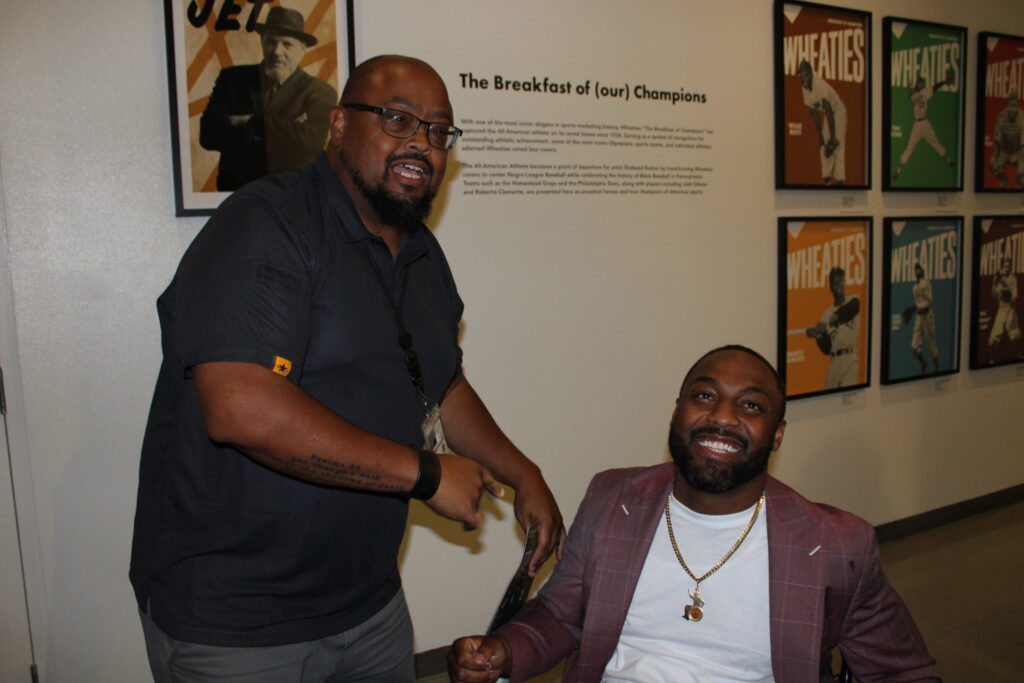
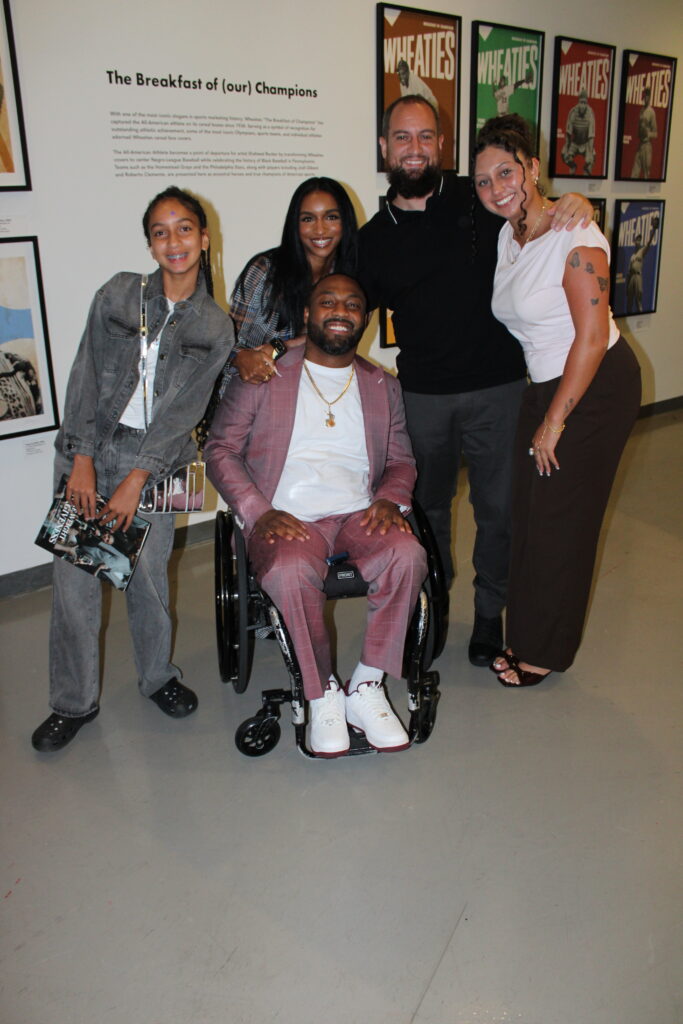
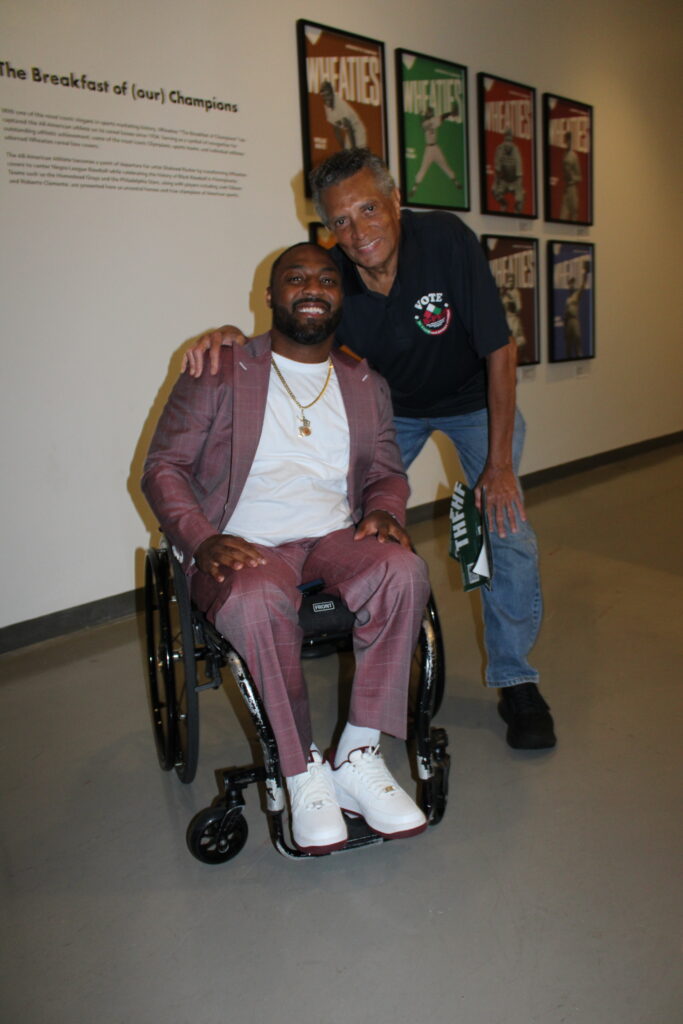
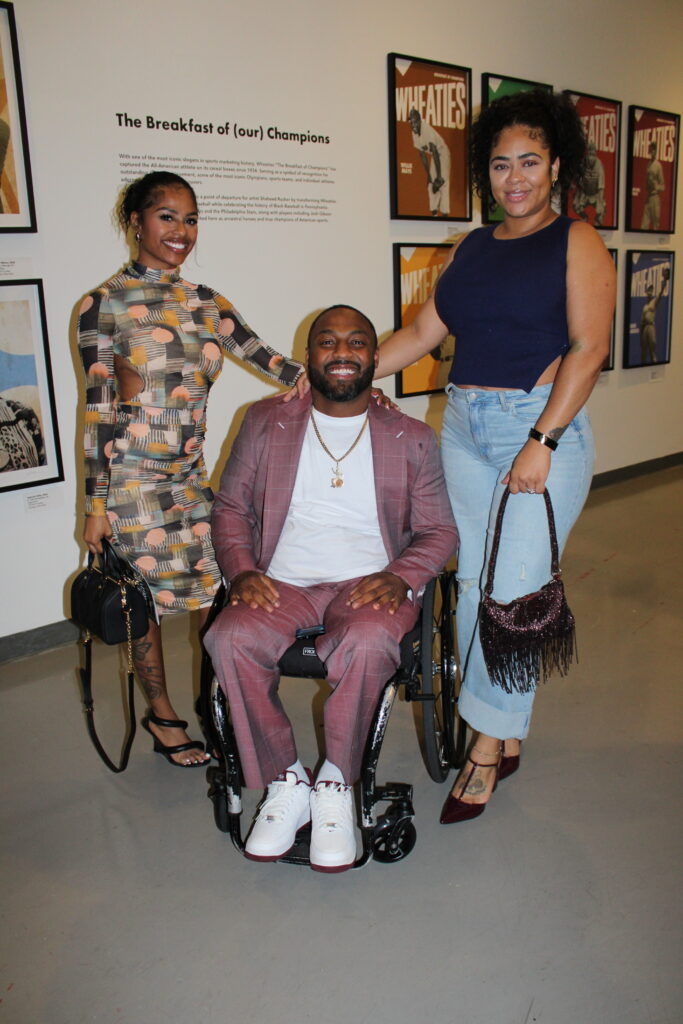
(ALL PHOTOS BELOW BY CHIEF IKHANA-HAL-MAKINA)